IndiaBioscience - Indian Scenariohttps://indiabioscience.org/columns/indian-scenario/feed2026-01-08T15:51:34+05:30Stalled science: Why India’s human stem cell research has yet to take off?A recent breakthrough in China, where a diabetic woman regained insulin production through a stem cell transplant, highlights India’s urgent need to reflect on its own human stem cell research. Despite global advances, India lags behind in innovation and infrastructure. A nationwide survey now seeks to uncover why—and how to fix it. ]]>tag:indiabioscience.org,2025-11-14:/columns/indian-scenario/stalled-science-why-indias-human-stem-cell-research-has-yet-to-take-off2025-11-14T10:00:00+05:302025-11-15T12:44:06+05:30Kasturi Mahadikhttps://indiabioscience.org/authors/kZyaKo9w3OM6q5JA recent breakthrough in China, where a diabetic woman regained insulin production through a stem cell transplant, highlights India’s urgent need to reflect on its own human stem cell research. Despite global advances, India lags behind in innovation and infrastructure. A nationwide survey now seeks to uncover why—and how to fix it.
A 25-year-old diabetic woman in China made headlines last year after receiving a transplant of stem cell-derived islet cells that restored her ability to produce insulin. For India, home to the world’s largest population of diabetics, this breakthrough calls for a reflection on the state of our own innovations.
Meanwhile, just last week, researchers at the San Diego–based company Qureator unveiled a tumour-in-a-dish model, complete with a network of blood vessels. This laboratory model mirroring human cancers paved the way for testing of new drug combinations in the clinic. It stands out as both ethically responsible (animal-free testing) and human-relevant, an approach that India fully endorsed in 2023.
Such stem cell research has been transforming the landscape of modern medicine ever since Nobel laureate Shinya Yamanaka showed nearly two decades ago that ordinary adult cells can be reprogrammed into highly adaptable stem cells.
And yet, India remains oddly silent on the clinical as well as laboratory fronts in this field. It is time to ask:
Why is India’s human stem cell research broken, and what will it take to fix it?
Where ideas found allies
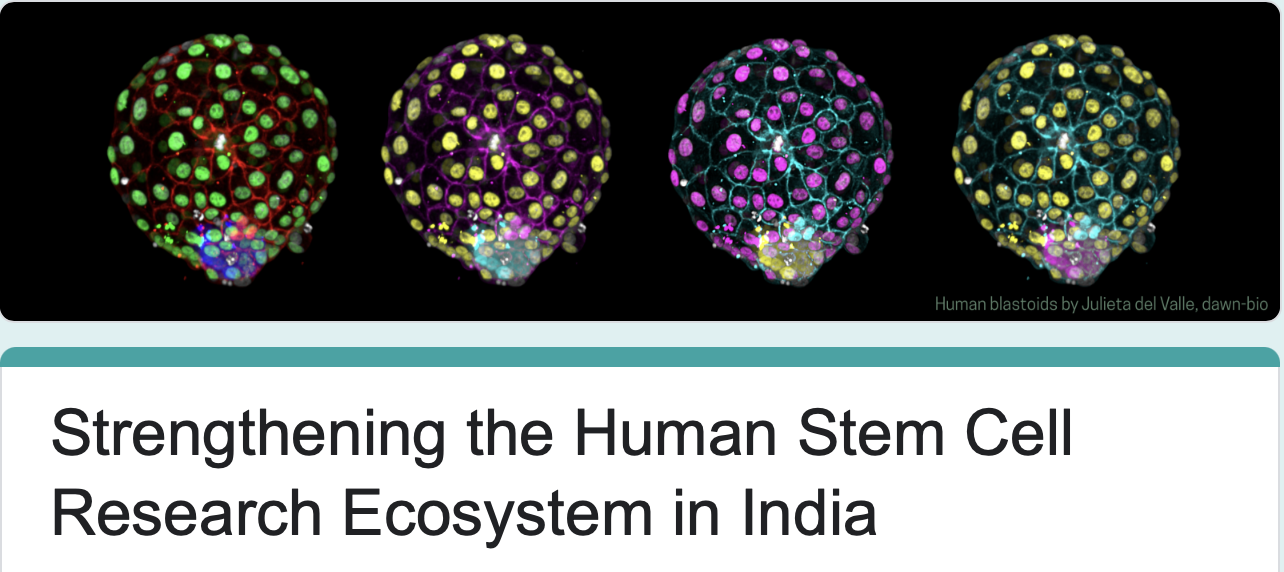
Frustrated by the lack of momentum in India’s human stem cell research, Manasi Srivastava—a scientist and alumna of CSIR-CCMB—approached me to explore the possibility of a collaboration to better understand the issue. At the Centre for Predictive Human Model Systems, where our goal is to translate fundamental research into better human health outcomes, I needed no convincing. Together, we designed a survey to capture the voices of human stem cell team leadsacross India, identifying challenges and potential solutions for the way forward (open from 6 October to 28 November 2025).
So, what do the early responses to the survey reveal?
A striking 88% of respondents said they face challenges in conducting human stem cell research in India, and 79% reported grappling with more than one obstacle.
At the top of the list is the lack of access to reliable, locally-made, and customisable laboratory supplies. Most robust vendors operate outside India, selling to Indian scientists only through distributors and on-demand orders. The result: higher costs and long delays that slow research to a crawl. Close behind are the absence of dedicated funding calls and limited access to human stem cells themselves.
Through it all, one sentiment emerged loud and clear: “India needs a national stem cell mission, and the time is now”.
Do you resonate? Add your voice, take the survey today.
]]>Greener cities, smarter choices: PKC’s sustainability projects for PuneThe Sustainable Development Goals 2030 (SDGs 2030) proposed by the United Nations urges governments, businesses, and individuals to take collective action against pressing social, economic and environmental challenges by 2030. With a core emphasis on sustainability and climate action, Pune Knowledge Cluster, (PKC) which is one of the eight knowledge cluster initiatives backed by the Office of the Principal Scientific Advisor to the Government of India (GoI), supports India’s commitment to the 2030 agenda. ]]>tag:indiabioscience.org,2025-09-19:/columns/indian-scenario/greener-cities-smarter-choices-pkcs-sustainability-projects-for-pune2025-09-19T10:00:00+05:302025-09-23T19:07:42+05:30Madhura Pansehttps://indiabioscience.org/authors/5oVpdMWp3WL9EZ7The Sustainable Development Goals 2030 (SDGs 2030) proposed by the United Nations urges governments, businesses, and individuals to take collective action against pressing social, economic and environmental challenges by 2030. With a core emphasis on sustainability and climate action, Pune Knowledge Cluster, (PKC) which is one of the eight knowledge cluster initiatives backed by the O/o the Principal Scientific Advisor to the Government of India (GoI), supports India’s commitment to the 2030 agenda.
Elaborating more upon PKC’s vision, Priya Nagaraj, CEO, PKC says,
By enabling partnerships between various stakeholders – civic bodies, citizens, academic/research institutes, NGOs and corporate sponsors, we are working towards understanding and providing solutions to regional problems such as the decrease in vegetation cover, lack of water security and traffic congestion and vehicular pollution.”
PKC’s sustainability programmes are broadly divided into three main themes:
Urban Forestry Initiatives
Water Security for Pune Metropolitan Region
Enabling Sustainable Transportation
Urban Forestry Initiatives
PKC’s Urban Forestry initiatives focus on promoting the plantation of native and ecologically suitable species, monitoring the regional tree cover to estimate carbon sequestration potential, and understanding carbon accounting by fostering interaction between civic bodies, citizens, NGOs, academic institutions, and sponsors to create sustainable greenery in the city. Some of its flagship initiatives include:
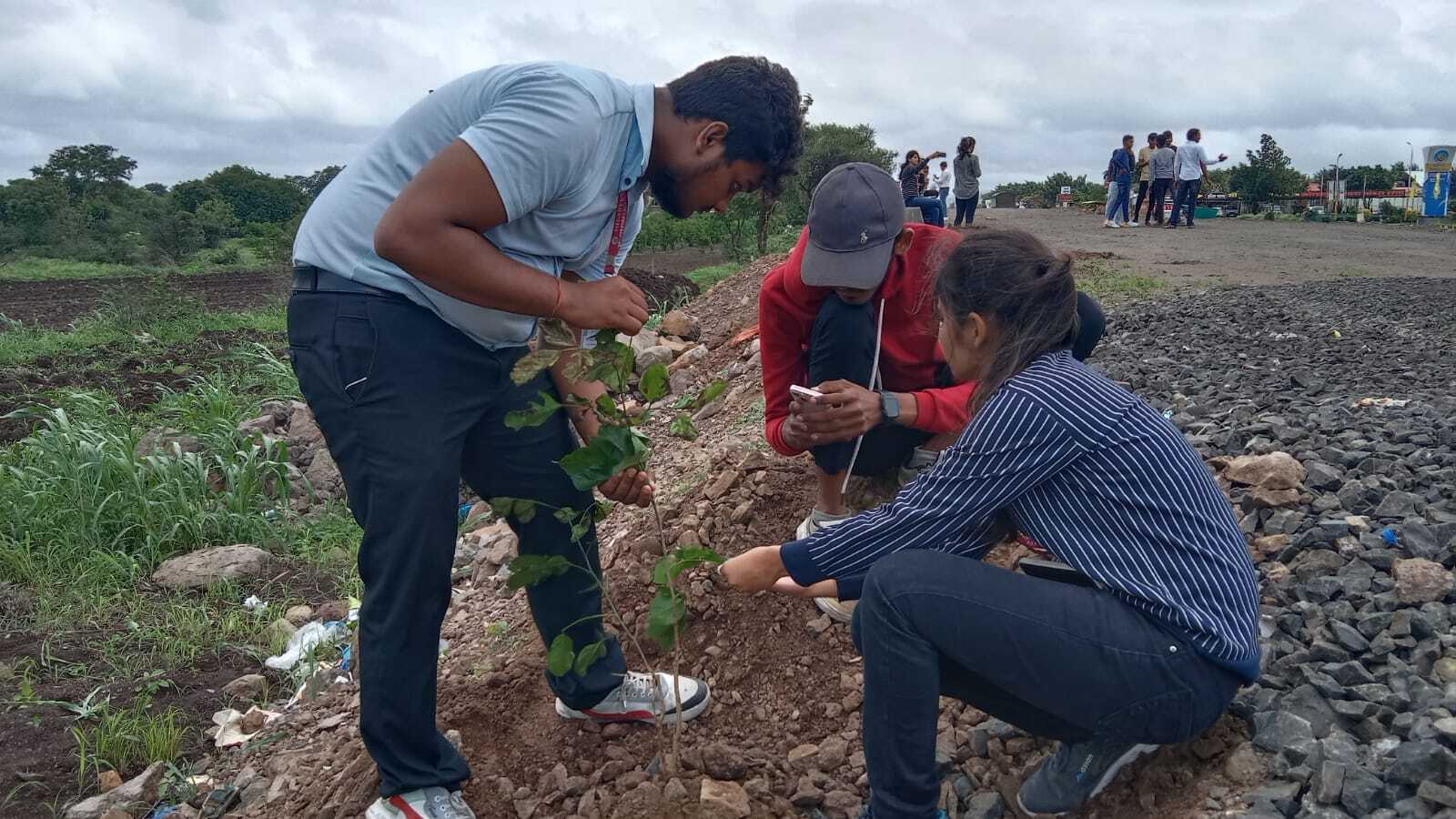
ConnecTree: A citizen-driven, AI-enabled platform to track the growth of young saplings
TreeVerse: A platform estimating Pune’s tree cover and development of a computational model for carbon sink estimation
Carbon Neutral Campus: An initiative which aims to trigger climate change discussion and climate action in educational and institutional campuses through carbon accounting studies
PKC partners with several local organisations to co-conceptualise and implement the initiatives and routinely involves students as well as interested citizens in the data collection and/or analysis process.
Citizens using ConnecTree app to map sapling growth. Picture Credit: PKC
Priyadarshini Karve, Founder, Samuchit Envirotech, PKC’s partner in the conceptualisation and implementation of the Carbon Neutral Campus, elaborates more upon the need for such initiatives,
In order to prevent us from entering into a regime of runaway climate change, we must start moving individual sectors towards zero carbon operations. Educational institutions are the right place to start this process because students can act as agents of change and trigger the transformation when they move out into society.”
Akanksha Kashikar, faculty at the Statistics department at Savitribai Phule Pune University (SPPU), who has collaborated with PKC to collect the data for the TreeVerse initiative, stresses that through such initiatives, students not only get the experience to handle real-world data but are also more likely to be actively involved as the problem directly affects them and the city they live in. Vinita Date, Chairperson of Environment Conservation Association, further adds that initiatives such as ConnecTree are crucial in ensuring that plantation drives are successful in contributing towards restoring the green cover in the city.
Water security for Pune metropolitan region
Water conservation is a common strategy for managing the water crisis, but it is becoming harder to sustain due to global warming, erratic rainfall, and rising demand from population growth, urbanisation, and agriculture. Water is seen as a public commodity, and this perspective largely influences policies as well as on-ground provisions for water supply. Providing good quality water is an expensive process, requiring efficient sourcing, treatment, storage, and distribution—and despite constant efforts by governments and administrations, water supply and treatment projects often operate at a loss due to poor revenue generation, leading to substandard service delivery.
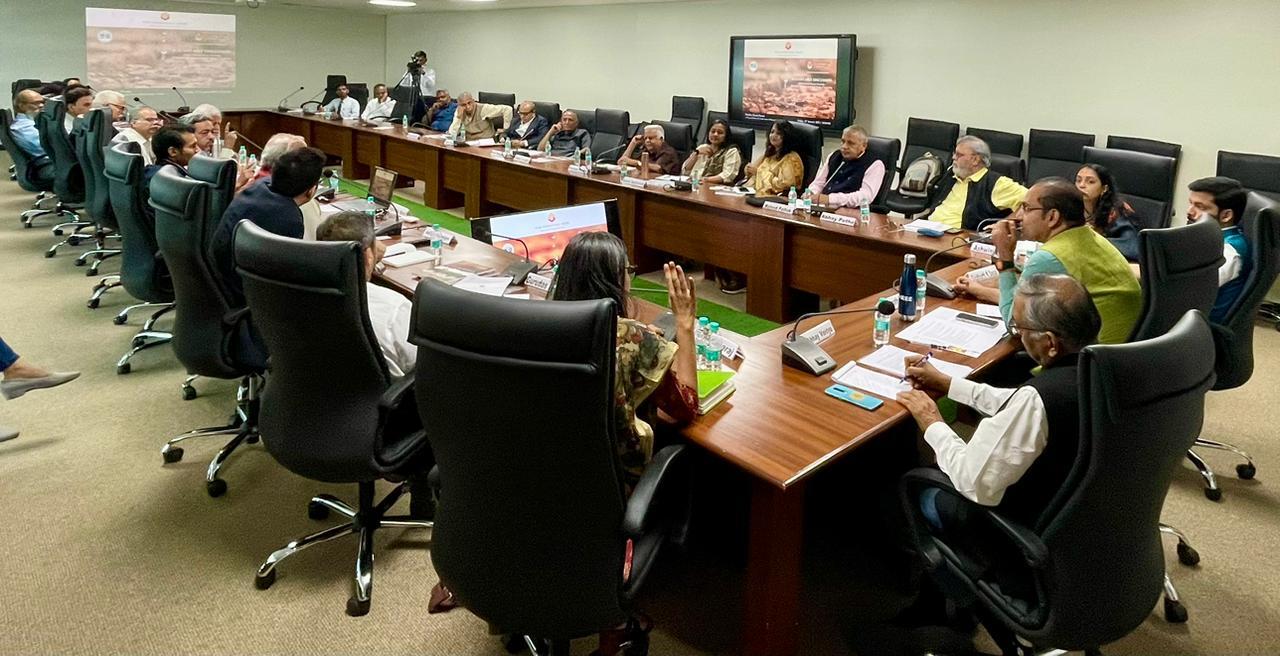
Stakeholder discussions for understanding water pricing models. Picture Credit: PKC
Recognising the need to understand the intrinsic economic value of water both to the suppliers (civic administration) and users, PKC has co-conceptualised “Project Jal Mulya” in collaboration with the Pune International Center (PIC), Center for Sustainable Development (CSD), and Centre for Development Studies and Activities (CDSA) at Gokhale Institute of Politics and Economics (GIPE), as and industry experts to develop a pricing model for water. The project aims to understand actual water usage at the household level through in-depth surveys and technological interventions and, through this, estimating the ‘cost’ of water. This can then pave the way for a sustainable supply of good quality water.
Dinanath Kholkar, who heads the research track—Science, Technology and National Innovation Ecosystem at PIC, emphasises that harnessing the power of smart technologies in data acquisition as well as informed decision-making is crucial for the success of the project. Thus, supporting technological interventions such as the installation of household metering systems and artificial intelligence-based technologies to track water usage at the micro level, the use of telescopic metering, the installation of sensors to understand leakages in water distribution systems, and the identification of different landscapes and water bodies using space technology, are some of the key elements of the project.
Gurudas Nulkar, Professor and Director, CSD, who leads this project, adds,
The main aspects of the project include gathering existing data in the right format from different sources, and understanding the different variables involved in water pricing, along with their interconnectivity. Further, we also plan to conduct a lot of secondary research and analysis of existing data in order to identify gaps.”
Over 68 interns have been onboarded to conduct this study, and more than 730 households have been surveyed so far. The analysis of these surveys is currently underway.
The project follows the STEP – Social Technology Economics and Policy methodology and each of these aspects will be examined separately, as well as in relation to each other in the context of the project. Considering the scale of the project and the involvement of the larger population in the Pune Metropolitan Region, it is essential to keep the citizens in the loop in order for a successful execution of the project. Thus, the press has been actively involved to amplify the project and to generate awareness amongst citizens. Apart from this, several social campaigns are being planned to promote circular usage of water.
By developing a process for evaluating the true cost of water, the project takes a step forward in ensuring water security for the region and also provides a replica template that can be extended from the Pune Metropolitan Region to other cities across the country.
Initiatives for sustainable transportation
The Pune Metropolitan Region has seen several policy and infrastructure changes over the last decade. Rapid economic growth, coupled with the infrastructure changes, has led to a rise in personal automobiles, leading to an increase in air pollution as well as traffic congestion and a decrease in road safety. In order to reduce vehicular pollution and traffic congestion, two alternatives can be implemented: The ‘Business as Usual’ (BAU) alternative aims to build better infrastructure for personal motor vehicles, while the ‘Sustainable’ alternative prioritises walking, as well as using public transportation and cycling as preferred modes of transportation.
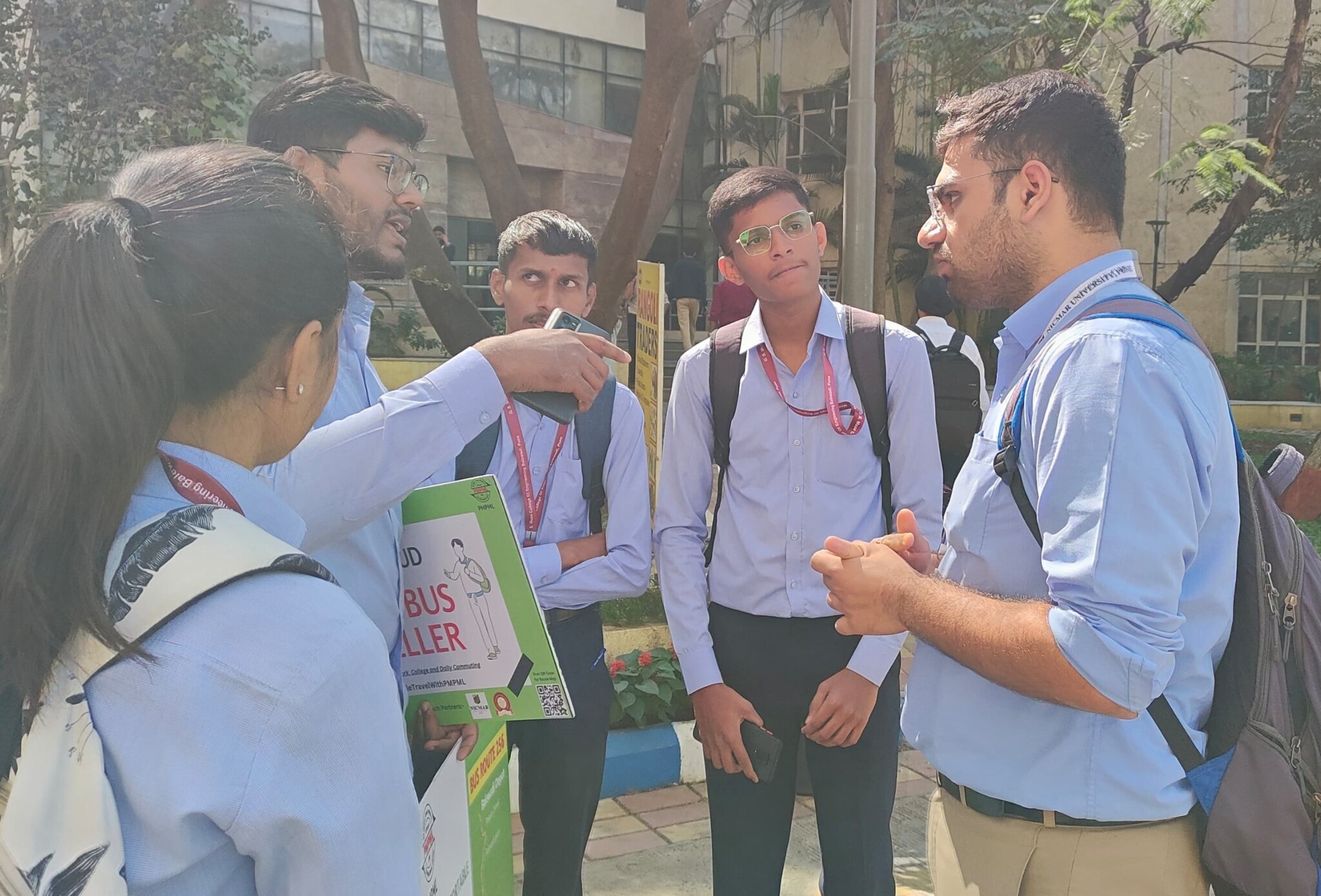
Students engaged in IEC sessions for PMPML Nudges. Picture Credit: PKC
As described in the 2008 book “Nudge”, by Richard Thaler and Cass Sunstein, ‘Nudges’ are non-intrusive interventions that predictably alter people’s behaviour without forbidding any options or significantly changing their economic incentives. Accordingly, this project was designed to introduce interventions in a systematic and controlled manner, with the goal of encouraging the citizens of Pune to view public transport as an optimal and economically viable option compared to their personal vehicles.
In order to understand these interventions, the PKC team analysed PMPML operations data to identify low-ridership routes. In collaboration with Centre for Environmental Planning and Technology University and College of Engineering Pune Technological University, they conducted a three-pronged survey: a passenger survey on usage and service improvements, a boarding-alighting survey to assess route activity, and a bus-stop survey to evaluate infrastructure and accessibility.
The survey underscored the impact of service quality, bus stop infrastructure, information access, and frequency of ridership. Findings were shared with PMPML leadership, leading to the designing of a pilot intervention/nudge—an Information and Outreach Nudge —implemented to boost awareness, focusing on one of Pune’s prime mixed locality hosting educational, corporate, as well as residential hubs. As part of this effort, around 12 awareness campaigns were conducted, reaching over 9000 individuals. In addition, 20 institutions were onboarded for outreach, and over 800 citizens were surveyed about their travel preferences.
Speaking about the survey findings, Sanskriti Menon, Senior Programme Director, CEE, says,
The reluctance of the commuters stemmed more from a lack of information rather than the availability of personal automobiles. When adequate and relevant information was provided, over 50% of the interviewed participants displayed an interest in increasing their usage of the bus.”
Building on the success of the pilot intervention study with PMPML, the project is now progressing toward phase II, which will involve a partnership with the Pune Metro to employ a similar approach and increase ridership of key routes through planned nudge experiments.
To learn more or contribute to PKC’s sustainability initiatives, get in touch: contact@pkc.org.in.
]]>Public health in practice: PKC’s ecosystem model for disease surveillance and responseThe global pandemic served as an eye-opener for the need to learn about navigating public health crises. From this crisis emerged a lesson that cannot be ignored: building a robust ecosystem that enhances communication amongst all the relevant stakeholders, especially at the city level, is crucial to mitigating public health challenges. Among the many efforts that emerged to address this need, Pune Knowledge Cluster (PKC) has taken significant strides in developing pathways towards building a comprehensive public health management framework for Pune district. ]]>tag:indiabioscience.org,2025-09-08:/columns/indian-scenario/public-health-in-practice-pkcs-ecosystem-model-for-disease-surveillance-and-response2025-09-08T00:00:00+05:302025-09-08T22:10:13+05:30Madhura Pansehttps://indiabioscience.org/authors/5oVpdMWp3WL9EZ7The global pandemic served as an eye-opener for the need to learn about navigating public health crises. From this crisis emerged a lesson that cannot be ignored: building a robust ecosystem that enhances communication amongst all the relevant stakeholders, especially at the city level, is crucial to mitigating public health challenges. Among the many efforts that emerged to address this need, Pune Knowledge Cluster (PKC) has taken significant strides in developing pathways towards building a comprehensive public health management framework for Pune district.
Established by the Office of the Principal Scientific Adviser (O/o PSA) to the Government of India, PKC is one of the eight knowledge clusters in the country, which aims to bring together a diverse range of stakeholders, including scientists, government officials, and citizen representatives, to solve regional challenges and problems using an ecosystem approach. At the heart of PKC's vision is the belief that the ecosystem developed for public health management must be rooted in adaptability and agility. PKC’s initiatives are therefore centered towards transforming the way in which stakeholders collaborate and partner to solve critical challenges in public health through three fundamental pillars: enhancing disease surveillance, empowering healthcare workers, and developing robust databases to facilitate effective disease monitoring and response.
Enhancing disease surveillance systems
Disease surveillance systems play a significant role in the fight against both endemic and emerging diseases. The absence of an efficient surveillance framework can quickly lead to the escalation of health crises and mismanagement, causing a significant burden on the healthcare system. To address this, PKC has co-conceptualised the Pune Wastewater Surveillance Project, by bringing together a group of collaborators – including local civic bodies, research organisations such as CSIR-National Chemical Laboratory (CSIR-NCL) and Symbiosis School of Biological Sciences, private organisations such as GenePath Diagnostics, and hospitals such as BJ Medical College and KEM.
Mahesh Dharne, Scientist, CSIR-NCL elaborates upon the importance of using wastewater surveillance as a complementary method to the traditional clinical surveillance in order to enhance the surveillance systems,
While clinical surveillance mainly relies on symptoms displayed by the patient, in diseases such as COVID-19, many patients were asymptomatic and such patients could as super-spreaders, with no way to track them. By using wastewater surveillance, one is able to detect the virus regardless of any symptoms displayed by the patient.”
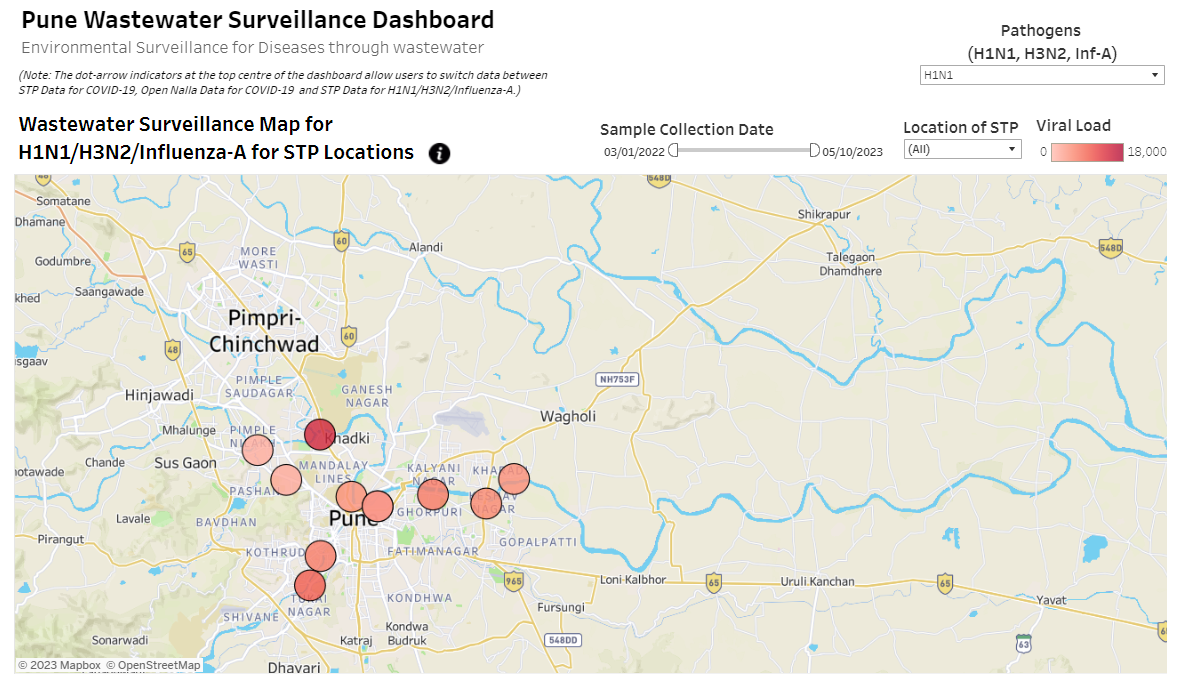
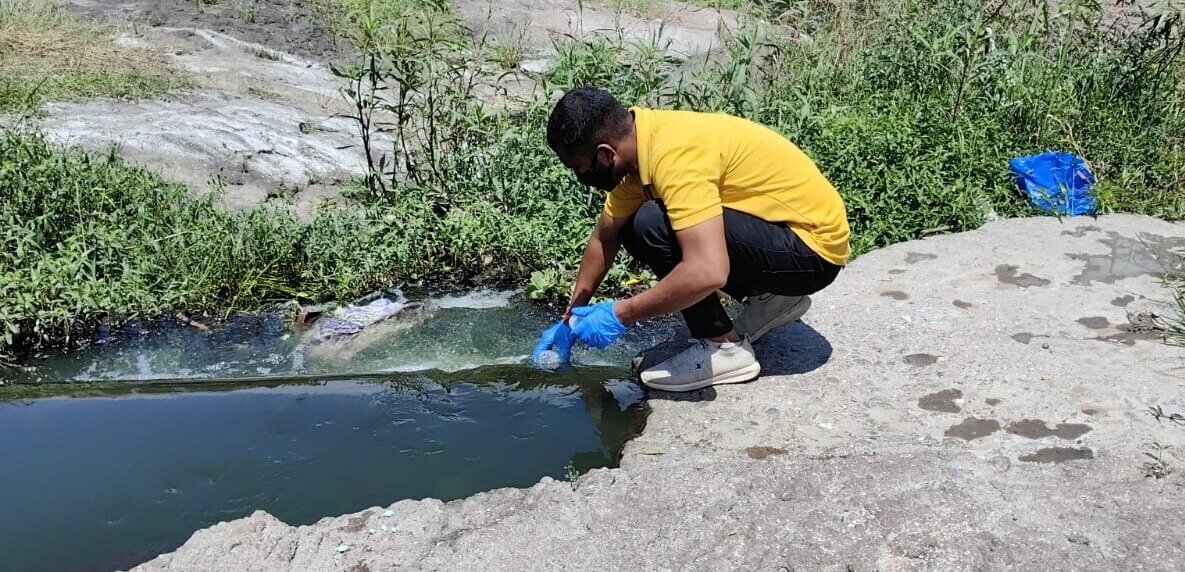
Today, the consortium built and managed by PKC has been involved in sampling and analysing untreated wastewater at sewage treatment plants (STPs) and open drains across Pune, targeting not just SARS-CoV-2, but also other infectious diseases such as H3N2, H1N1 and Influenza-A. In addition, the surveillance is also extended to understand the nature of antimicrobial resistance (AMR) within the community.
PKC has been working to enhance disease surveillance, not only in human populations but also in the environment through projects that are aimed towards understanding the spread of zoonotic diseases. Furthermore, PKC is also part of the Alliance for Pathogen Surveillance Innovations (APSI), through which it focuses on supporting the development of kits for detecting infectious diseases through wastewater. This effort reflects the cluster's commitment to building localised, effective, and scalable disease surveillance tools.
Enhancing disease surveillance systems | Picture Credit: PKC
Building capacity amongst health workers
While disease surveillance systems are essential for early detection and planning, an equally important component of effective healthcare management is the empowerment of healthcare workers, particularly the on-ground multi-purpose workers (MPWs) who are involved in disease surveillance, prevention and control. Officials from the Maharashtra State Health Department have been proactive in combating vector-borne diseases and have identified a critical gap in the capacity building of MPWs, who require periodic refresher training to safeguard their health and improve their efficiency in the field.
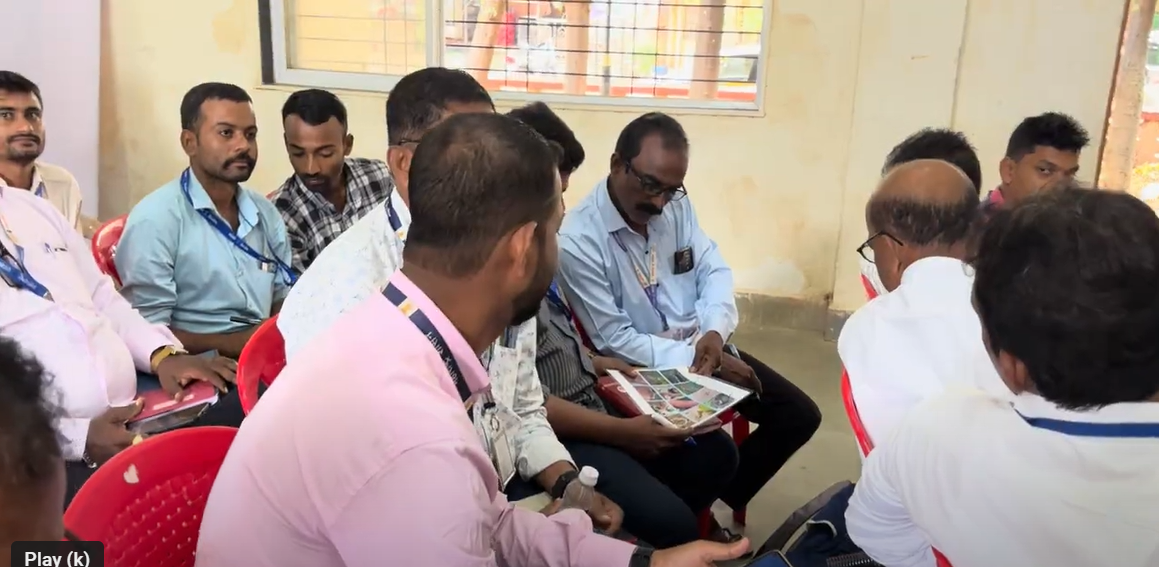
Building capacity among healthcare workers | Picture Credit: PKC
To address this, PKC, together with the National Center for Vector Borne Disease Control (NCVBDC), and District Malaria Offices within Pune and other districts, have launched SAKSHAM, a series of workshops for healthcare workers from different talukas across Maharashtra. PKC has collaborated with organisations such as ICMR-National Institute of Virology, Prayas Health Group and India Meteorological Department to provide detailed information to the healthcare workers about the different types of vector-borne diseases, methods for identification, the impact of climate change on vector life cycle and best practices for prevention and treatment of the diseases.
So far, over 1,300 multipurpose healthcare workers have been trained under this programme, across 40 talukas in the Pune, Kolhapur, and Raigad districts.
The success of the programme lies in its community-centric approach, which helps bridge the knowledge gaps in areas with limited health awareness, ensuring that the information reaches those who need it the most.
The power of data in healthcare management
In today’s world, data is the cornerstone of everything. One of PKC’s most innovative contributions towards building pathways for public health management is its approach to data collection, analysis, and application.
The organisation has developed one-of-a-kind dashboards for disease surveillance and AMR surveillance, which focus on displaying the viral load of infectious diseases or the AMR trends through wastewater sampling.
PKC's dashboards enable near real-time tracking of disease and AMR trends from wastewater samples. The dashboards are updated regularly, allowing municipal corporations and public health authorities to take timely actions. The user-friendly interface of the dashboard ensures that anyone, from government officials to citizens, can access and interpret the data. PKC’s COVID-19 dashboard has also been recognised as one of the key resources for disease monitoring using wastewater surveillance by the World Health Organization (WHO). It is the only WHO recognised dashboard of its kind from India.
In addition to the dashboards for wastewater surveillance, PKC has also enabled the development of an open-source database of in-patient data of 2000 COVID-19 patients, which will lead to better disease understanding and enable disease management and treatment, by collaborating with hospitals such as BJ Medical College, Noble Hospitals and Symbiosis University Hospital and Research Centre; research organisations – CSIR-NCL, and the companies – AIQoD (Formerly- GI Bots) and EPIC-Health Information Management. Rajesh Karyakarte, Professor and Head at the Department of Microbiology, B.J. Medical College emphasises that this database represents India’s vital contribution to medical research on infectious diseases.
These data platforms built by PKC can generate a plethora of insights, helping policy decisions and local responses to diseases and AMR.
A vision for the future
These initiatives highlight the importance of an ecosystem approach to building sustainable initiatives, where science and technology are used to solve problems of the community. With its commitment to continuous learning, data-driven decision-making, and community engagement, PKC is focused on building models for collaborative public health management.
]]>The case for a resounding framework for AI-biotech convergenceThe intersection of artificial intelligence (AI) with biotechnology has ushered in a period of innovation in healthcare. The interdisciplinary nature of AI enables it to analyse and interpret large data sets from multiple domains. In the case of the life sciences, AI-biotech convergence holds the potential to alter the landscape of diagnostics, monitoring of disease progression, precision medicine, and prediction of public health threats. ]]>tag:indiabioscience.org,2025-05-16:/columns/indian-scenario/the-case-for-a-resounding-framework-for-ai-biotech-convergence2025-05-16T13:00:00+05:302025-07-04T11:59:24+05:30Lakshmy Ramakrishnanhttps://indiabioscience.org/authors/BmXqMjerBv1yOpJThe intersection of artificial intelligence (AI) with biotechnology has ushered in a period of innovation in healthcare. The interdisciplinary nature of AI enables it to analyse and interpret large data sets from multiple domains. In the case of the life sciences, AI-biotech convergence holds the potential to alter the landscape of diagnostics, monitoring of disease progression, precision medicine, and prediction of public health threats.
While the convergence of AI with biotechnology holds immense potential for innovative developments in science and medicine it also carries the scope for misuse. Governance of AI in popular discourse includes the risk of AI-biotechnology (AI-bio) tools being utilised for malicious purposes or the production of bioweapons. Detailed understandings need to be acquired to determine the feasibility of the development of bioweapons with AI-bio tools and to formulate safeguards against such threats.
The case for governance
As AI progresses into multiple domains its governance to ensure its responsible and ethical use has come under scrutiny. The UN’s Governing AI for Humanity report underscores the need to govern AI as ‘no one currently understands all of AI’s inner workings enough to fully control its outputs or predict its evolution.’ The US and UK have made steps in this regard, but in the Indian scenario there exists a need to develop a framework to address these concerns.
Popular news articles have drawn considerable attention to how large language models (LLMs) like ChatGPT could increase the technical know-how available to malicious actors and provide them with information on how to create viruses with pandemic potential. Undue publicity over the potential of a new technology can overestimate the ease with which it can be developed. In the case of al-Qaeda’s bioweapons plan, they insisted that their attempts to produce a bioweapon stemmed from US reports that it was easy and cheap to carry out. Thus, overestimating the ease with which bioweapons can be manufactured may encourage the enemy to pursue production.
Here, OpenAI’s stress test in 2023 found that LLMs can provide information on how to order oligonucleotides, on experimental protocols, and can assist in troubleshooting experiments. Another study found that it can provide users with information on DNA technology companies that were unlikely to flag suspicious oligos, suggest mutations to enhance the pathogenicity of viruses, and suggest contract research organisations that could carry out these experiments. The information provided is publicly available but it is presented in a manner that is understandable to a non-expert. Upon closer inspection it is clear that LLMs democratise knowledge but only slightly lower the barriers to bioweapons development. Experts have long opined that bioweapons production requires not just information but also tacit knowledge – knowledge that is acquired through experimental training - in successfully carrying out a biological experiment. This is acquired primarily through advanced formal training.
Implications of the AI-Bio threat
AI is essentially a system that is based on the data it receives and its functioning depends on the users’ intent. There exists a tremendous gap in bridging the space between the digital design of a bioweapon to the physical manufacturing of one.
This relies heavily on the intent of the user and their level of scientific training. Existing AI-bio tools can ‘hallucinate’ or provide misleading information, which would not be distinguishable by a non-expert user. Further, biological experiments require expensive and specialised equipment and materials, which are a significant barrier to bioweapons production.
Possibilities exist, however, that in the future, other AI-bio tools like Biological Design Tools (BDTs), which currently aid in the design of biological molecules, can be advanced further in the future and aid in malevolent actors to develop bioweapons capable of evading immune responses or resist existing therapies. In addition, concerns exist that AI-bio tools may skew scientific knowledge triggering disinformation and misinformation particularly during public health emergencies, rendering bio-attribution (the assigning of responsibility to a biological threat) tricky.
Policy Recommendations
India is a signatory to the Bletchley Declaration, which advocates for the safe development and deployment of AI. The intersection of AI with biotechnology deserves considerable attention as well but is situated in a policy vacuum in India. A policy of dissuasion would discourage malicious actors from developing bioweapons using AI-bio tools.
India needs to formulate threat assessments using red-teaming exercises to develop an understanding of bioweapons capabilities of existing AI-bio tools in the Indian context. This entails determining the capabilities of current AI-bio tools and an understanding of India’s security architecture. These exercises can also ascertain the risks posed by future AI-bio tools. This can include intersections with other disruptive technologies including unmanned aerial vehicles (drones) and 3D printing, which are implicated in enhancing the delivery of bioweapons.
India can introduce guidelines where DNA companies mandate a know-your-customer based approach in the acquisition of biological materials. For instance, the International Gene Synthesis Consortium (IGSC), International Biosafety and Biosecurity Initiative for Science (IBBIS), and SecureDNA are examples of organisations that screen oligonucleotides. Educating and incentivising research and academia over potential areas of misuse is another long-term technical barrier. Another guardrail would be to engage with AI-bio tool developers to regulate the nature of biological data that is available.
Finally, AI Safety Institutes would foster an environment to ensure AI and its intersecting technologies are ethically driven. India’s IndiaAI Mission policy – which aims to promote ethical AI technologies – can take part in this endeavour.
Discourse on the development of bioweapons with aid from AI-bio tools is popularised by media reports. There exists a need to develop an assessment of its potentiality in the Indian context as it falls into a policy vacuum. Effective guardrails would act as a deterrent for bioweapons development.
]]>Sustainable mobility: A public health imperative for urban India’s futureTraffic congestion in Bengaluru is every man’s woe. To address this issue, the Bengaluru Science and Technology Cluster (BeST) promotes solutions centred around sustainable commuting alternatives. This approach not only tackles the traffic problem but also emphasises improving public health, offering a holistic strategy to make the city more liveable. ]]>tag:indiabioscience.org,2024-12-16:/columns/indian-scenario/sustainable-mobility-a-public-health-imperative-for-urban-indias-future2024-12-16T13:00:00+05:302024-12-04T11:18:29+05:30Aishwarya Seguhttps://indiabioscience.org/authors/rbydKYwo8pMAJjGTraffic congestion in Bengaluru is every man’s woe. To address this issue, the Bengaluru Science and Technology Cluster (BeST) promotes solutions centred around sustainable commuting alternatives. This approach not only tackles the traffic problem but also emphasises improving public health, offering a holistic strategy to make the city more liveable.
Over the past few weeks, headlines have painted a grim picture of India’s public health future. Delhi, in particular, has recorded unprecedented levels of air pollution, with the city experiencing its worst air quality in a decade. Similar concerns are echoed across other major cities, including Bengaluru. Meanwhile, Bengaluru faces another pressing crisis—road accidents. On average, the city loses two lives daily to fatal road accidents.
The surge in traffic is not only a significant contributor to air and noise pollution but also adversely affects public health and quality of life. The growing number of private vehicles is overwhelming the city’s infrastructure, exacerbating environmental and social challenges. In response to these issues, urban planning has increasingly emphasised sustainable mobility as a potential solution.
Sustainable mobility offers a solution to enhance public health, reduce environmental pollution, and promote social equity.
Understanding the importance of sustainable mobility
To aid the inclusion of sustainable mobility options in consideration with improving public health, Bengaluru Science and Technology Cluster (BeST), under the initiative of the Office to Principal Scientific Advisor (OPSA) to the Government of India (GOI), created a consortium and organised an expert panel led by Prabhdeep Kaur, Professor, Isaac Centre for Public Health, Indian Institute of Science (IISc), and Ashish Verma, Professor, IISc Bengaluru, to formulate data-driven approaches to design more sustainable and health conscious transport options in the city.
In cities like Delhi and Bengaluru, the declining quality of life is becoming increasingly evident, notes Ashish Verma, Professor, IISc, Bengaluru. The unchecked horizontal expansion of these cities has led to a surge in private motorised vehicles. Vehicular emissions are a major contributor to air pollution, posing serious risks to public health. Another often-overlooked aspect of this crisis is the significant economic cost of traffic congestion.
Traffic congestion not only hampers mobility but also contributes to mental stress among commuters. Public transport systems, which should ideally serve as an affordable and efficient alternative, are often overcrowded and unreliable, leaving many without dependable transportation options. Bengaluru, grappling with rapid population growth, has seen its public transport infrastructure lag far behind its needs. Verma highlights that the current situation in Bengaluru is unsustainable and demands urgent attention.
Triumphs from the church street
There is growing recognition of the need for sustainable mobility solutions in Bengaluru. A notable example is a 2021 pilot study on Church Street, one of the city’s busiest thoroughfares. For four months, the street was transformed into a pedestrian-only zone on weekends. This initiative led to a remarkable 97% increase in pedestrian footfall and significant improvements in air quality. Verma, a co-author of the study, emphasised the critical role of prioritising green spaces and sustainable transport options to address Bengaluru’s escalating traffic challenges.
While the Church Street initiative set a precedent, the city has yet to see sustainable mobility solutions implemented on a larger scale. As Verma observes, the current government approach remains heavily focused on road infrastructure and highway development. Although road expansion might provide temporary relief from congestion, it ultimately fosters greater dependence on private vehicles. What Bengaluru truly needs is a paradigm shift in its approach to mobility.
The goal should be to create a more balanced transportation system that ultimately prioritises public transport, active usage of cycles and other non-motorised vehicles.
A glimpse into international cities like those in the Netherlands and Switzerland offers valuable lessons for Bengaluru. The panel emphasised the need for a comprehensive approach to sustainable mobility, suggesting the adoption of reforms inspired by these global examples.
Improvement in quality and quantity of public transport systems
Bengaluru’s public transport system remains insufficient to meet the demands of its growing population. The city faces a shortage of buses, and while the metro network is expanding, it still fails to serve many crucial areas. To address these challenges, the government must prioritize the expansion and improvement of public transportation. This includes increasing bus frequency, extending metro routes, and introducing local train services where feasible. Implementing dedicated bus lanes could also streamline mobility and ease congestion.
Furthermore, Bengaluru has already recognised the potential of electric vehicles (EVs) in reducing emissions and improving air quality. Encouraging the widespread adoption of EVs, alongside strengthening public transport, could significantly enhance the city’s sustainable mobility efforts.
Bengaluru’s current infrastructure does not support long-distance cycling. However, with proper planning, a resurgence in cycling as a viable mode of transport is possible.
Dedicated cycling lanes and pedestrian-friendly streets can encourage more people to choose cycling and walking. Integrating green spaces into city planning not only enhances the city’s aesthetic appeal but also improves its livability. As part of the Smart City initiative, the Ministry of Housing and Urban Affairs has successfully begun transforming two major streets in Bengaluru— Planetarium Road and Race Course Road—by adding lanes focused on pedestrians and cyclists.
Data-driven analysis and public awareness
The age of technology is booming in the country, and the government must integrate data and technology into its decision-making processes. Verma and Kaur suggest implementing tools such as the Transportation and Health Tool (THT) and Integrated Sustainable Transport and Health Assessment Tool (iSThAT), which are already used in some developed countries, into our system.
A shift toward sustainable mobility will require behavioural changes from the public. Urban local bodies must actively engage citizens through public awareness campaigns that emphasise the health benefits of walking, cycling, and using public transport. Building a culture of sustainability in transportation requires collaboration between the government, civil society, and the private sector.
Verma emphasises that sustainable mobility is no longer a luxury or a peripheral concern; it is essential for improving public health and ensuring the livability of cities. With over 60% of the Indian population living in cities, it is crucial to prioritise urban improvements. Ultimately, integrating sustainable mobility into urban planning offers a win-win solution, enhancing both the quality of life and public health for urban residents, and paving the way for a more livable and sustainable future for all.
]]>How the Lodha Genius Programme is cultivating future ecologistsThe Lodha Genius Programme (LGP) at Ashoka University, Haryana, offers high school students a unique opportunity to engage in real-world science and mathematics. Through hands-on experiences in fields like ecological sciences, students are encouraged to ask big questions, participate in fieldwork, and explore their scientific interests. ]]>tag:indiabioscience.org,2024-10-28:/columns/indian-scenario/how-the-lodha-genius-programme-is-cultivating-future-ecologists2024-10-28T13:00:00+05:302024-10-25T11:37:57+05:30Debraj Mannahttps://indiabioscience.org/authors/8XNQKeEewYKoy6lThe Lodha Genius Programme (LGP) at Ashoka University, Haryana, offers high school students a unique opportunity to engage in real-world science and mathematics. Through hands-on experiences in fields like ecological sciences, students are encouraged to ask big questions, participate in fieldwork, and explore their scientific interests.
The Lodha Genius Programme (LGP) at Ashoka University, Haryana, provides students in their high school years with a taste of real-world science and mathematics through their unique blend of activities. Once inducted into the LGP, the students stay at the Ashoka University campus for four weeks, participating in an intensive programme to learn new skills and gain insights for their careers. This experience is followed by a year-round Continued Learning journey, providing ongoing mentorship, courses, and opportunities to further enhance their growth. They can pursue one of the available specialisations, including one on ecological sciences.
Ajith Kumar, a faculty member at the LGP, brought together the four instructors of the ecology module: Rohit Chakravarty, Ishika Ramakrishna, Priyanjana Pramanik, and Samuel Joshua John. Chakravarty, Ramakrishna, and Pramanik taught the classes and field sessions in 2023. In 2024, John joined Ramakrishna and Pramanik, and the trio instructed the students in this specialisation. Chakravarty’s research interests focus on bat conservation. Ramakrishna is a PhD student at the Centre for Wildlife Studies, Bengaluru. She works on human-nonhuman primate interactions. She also runs a podcast called The Thing About Wildlife.
Pramanik is a PhD student at the University of Tasmania, Australia. Her work focuses on mangrove conservation. John is a nature educator who conducts urban ecology walks for adults and brings nature-based learning to schools. He is interested in studying spiders. With their varied backgrounds and expertise, the instructors brought in multiple areas where students could pursue their projects, although they were free to choose something outside these areas, too.
Hands-on learning in the LGP’s ecology specialisation
The module in ecological sciences stands out due to its focus on experiential learning. While the programme starts with classroom lessons, these are intended to prepare students for advanced project work. The instructors encourage students to think of questions they would like to be answered if limits on resources and time were not a concern. Nudging these young minds to inquire about the “big questions” in nature is the main aim of the module. As novices to the field of research, school students usually have broad questions. “So, that's where we came in,” says Ramakrishna. She adds,
Once they gave us their dream questions, we helped them chisel down the questions and figure out which ones were feasible or doable. We helped them understand why some were feasible while others weren't.
After the students are set on their favourite questions, the instructors help with the study design and data collection strategies. “We provide all kinds of support and guidance to ensure that they see those projects through to the end,” adds Ramakrishna.
In the quest to let the students explore the world around them in its completeness, John says they were trying to convey that ecology can be as comprehensive as one wants. He explains, “It can encompass any of the sciences if you want to use that “language” to describe what you're seeing around you. And it got interesting because we introduced the fundamental concepts and then learned them together in the classroom. As we put those concepts down, we also spent a fair amount of time outdoors — visiting a local water body and walking around the campus looking for all sorts of things.”
In addition to these field studies, the instructors also use games to teach students about ecological principles. For example, students role-play as animals with specific genetic traits to learn how these traits help them thrive in their environments and learn about natural and sexual selection. An ecology-themed scavenger hunt further deepened their understanding of the concepts.
School students’ first stride into the world of ecology
Projects undertaken by students in the LGP have explored a variety of ecological phenomena. They have studied numerous species, including oak and pine trees, flies, butterflies, birds, spiders, rhesus macaques, and even humans.
A common theme among the projects has been the nesting behaviour of animals, with students studying bird nests, ant colonies, and how human activity affects spider nesting patterns on the Ashoka University campus.
John highlights an exciting finding: “They noticed that spider nests started to appear above a certain height on campus, which corresponded with where pesticides were sprayed.” Students also investigated gender biases through spiders, showing colourful and dull-looking spiders to people and asking them to identify the male and female, thereby exploring the societal perceptions linked to appearance.
The lowest spider nests inside (at a height of 3.97 m) and outside (at a height of 0.5 m) the Ashoka University campus, as observed by the participants in the LGP ecology module. Photo Credit: The LGP participants.
In another vital project, the students focused on rhesus macaques. Kumar says, “The students looked at the interaction between people and monkeys. People generally say they don’t like monkeys, but that's not really true! The students found that it depends on what the monkeys do. People have no issue if they are playing or resting, but problems arose when the monkeys ventured into kitchens.” The students gained insights into this complex human-monkey relationship by interviewing people around the campus.
Besides studies conducted in and around the Ashoka University campus, the students conducted field studies in a natural setting. Some of the students from the first cohort of the LGP returned the following year to go on this one-week field trip to Binsar Wildlife Sanctuary at Uttarakhand, along with Pramanik and Ramakrishna. Among multiple studies conducted at Binsar, Ramakrishna describes a fascinating project: “We had set camera traps at an area where people would dump a lot of garbage.
As a result, a lot of wildlife from the area was visiting that place in search of food. Through this project, one of the students wanted to understand the temporal niche segregation at that particular site across many different species. And we got some very fascinating results looking at interactions between wild boars and the red foxes.”
An opportunity for career exploration
The LGP provides significant value to students from diverse backgrounds. Many students, especially those from non-urban schools with fewer resources, are unaware of the career possibilities in science and mathematics. John says, “I think it's important to have these experiences at that age because you see what it's like to be doing these things. If their projects were expanded, they would be full-fledged ecological studies. So, that's firsthand experience.”
The growing interest in the ecology specialisation across two cohorts of the LGP is an indicator of the module’s success. Kumar notes that the ecology course had many students who returned to continue the following year. Pramanik says, “Our students had indirectly given us good feedback by making other people interested in joining the module.”
She adds, “Before the second batch started, we heard from the organisers that there was a lot of interest in people wanting to join the course. So that's been really encouraging.” This growing demand is a promising sign for the future of the LGP and its ecological sciences module.
]]>Water has its course: A unified scientific and social approach to tackle the water crisis in BengaluruThe Net Zero Water vision for Bengaluru, led by the Bengaluru Science and Technology Cluster (BeST), aims to address the city’s water crisis by developing scientifically sound, economically feasible, and practical solutions for water conservation. ]]>tag:indiabioscience.org,2024-10-25:/columns/indian-scenario/water-has-its-course-a-unified-scientific-and-social-approach-to-tackle-the-water-crisis-in-bengaluru2024-10-25T13:00:00+05:302024-10-23T15:06:44+05:30Aishwarya Seguhttps://indiabioscience.org/authors/rbydKYwo8pMAJjGThe Net Zero Water vision for Bengaluru, led by the Bengaluru Science and Technology Cluster (BeST), aims to address the city’s water crisis by developing scientifically sound, economically feasible, and practical solutions for water conservation.
The summer of 2024 brought severe water shortages to Bengaluru, one of the worst in recent memory. Headlines across the country highlighted the city’s struggles with insufficient water supply, dried-up borewells, and skyrocketing water tanker prices. Given the urgency of this crisis, it’s high time to explore research-backed solutions. Bengaluru, situated on a hill, lacks its own independent water source. The older parts of the city rely heavily on water pumped from the Cauvery River basin, while the newer areas depend on independent bore wells.
Over the last two decades, as Bengaluru's reputation as the Silicon Valley of India grew, its population doubled, the urban sprawl expanded, and its green cover diminished significantly. As a result, the demand for fresh water has far outpaced supply.
Water scarcity is not only a pressing health concern but also a critical factor influencing the economic development of the city.
Lakes are drying up, and in some areas, groundwater levels have plummeted to unprecedented depths. “The deficit in the water supply system, coupled with rising water demand, has created a significant gap leading to water shortage,” says Ram Prasath Manohar, IAS, Chairman of the Bengaluru Water Supply and Sewerage Board (BWSSB). To address this crisis, proper planning, education, and resource management are imperative. Bengaluru Science and Technology Cluster (BeST), under the initiative of the Office to Principle Scientific Advisor (OPSA) to the Government of India (GOI), has recently undertaken an analysis of Bengaluru's water crisis.
Addressing Bengaluru’s water woes
To address the pressing water crisis, BeST convened a panel of experts, drawing from government agencies, scientists and researchers studying town planning and water treatment technologies, start-ups, non-profit organisations, and citizen representatives from Bengaluru. The diverse group addressed challenges and proposed an actionable plan to mitigate the situation. The panel identified four major problems contributing to the water crisis:
Rapid population growth leading to increased freshwater demand
Urban Planning and land use leading to suboptimal usage of water resources
Climate change and erratic rainfall patterns
Overexploitation of water resources and insufficient recycling efforts
In response, the panel proposed a strategy aimed at reducing Bengaluru's dependence on water from the Cauvery River by enhancing local water recharging and reuse systems to achieve "net-zero water" for the city. Rather than relying solely on the Cauvery as the primary water source, the experts recommended an integrated urban water management plan. This approach emphasises recharging groundwater, expanding rainwater harvesting capacities, rejuvenating lakes, and significantly increasing water recycling. Vishawanath S, Director of Biome Environmental Solutions, says,
Implementing these measures could greatly alleviate Bengaluru’s water woes.
Recharging groundwater
The fast developing metropolis is undergoing innumerable constructions every day. Fields and open lands are being cleared to make way for housing layouts, which in turn are depleting the city’s natural water catchment areas. Prashanth Palanisamy, from GoodEarth, a sustainable building solutions start-up, suggests that conducting basic hydrogeological studies to assess groundwater levels before construction could help identify water catchment areas (aquifers). Planning constructions around these areas would allow for faster groundwater recharge.
Another method to recharge groundwater is by constructing community borewells near aquifers, rather than having individual borewells for separate houses. Bengaluru receives abundant rainfall, with an average of 800-1000mm per year. With a better understanding of its water catchment areas, the city can better equip to handle harsh summers. Rejuvenating surface water bodies like lakes and ponds also plays a crucial role in groundwater recharge.
A success story is the rejuvenation of Sarakki Lake near J P Nagar, which led to a significant increase in groundwater levels within a year.
Over the last three years, the water table around the lake has significantly improved. T V Ramachandra, Professor at the Indian Institute of Science (IISc), claims that maintaining groundwater levels is key to solving Bengaluru’s water crisis.
Wastewater treatment and recycling
According to a recent news
article, Bengaluru is home to one of the highest number of sewage treatment plants (STPs) in the country, with nearly 2,644 in operation. However, despite this large number, the city struggles to recycle most of its water due to poor management and financial constraints. Sanjiv Sambandan, Professor at IISc and co-founder of Openwater, a start-up specialising in innovative waste treatment solutions, highlights that the economics of recycled water remain unclear. Sambandan observes, “The common man does not see the financial benefits of wastewater recycling”.
Vishwanath also points out that a lack of funding often leaves STPs non-functional. Bengaluru’s decentralised STP system has the potential to set a strong example for other cities, but only if it can effectively operate and utilise recycled water. Vishwanath suggests that “a modest increase in water rates” could help cover the financial needs to keep STPs running. Engaging communities, developing frameworks and policies for wastewater treatment, and partnering with existing technologies like Openwater could also address this problem. Additionally, ensuring that apartment complexes have functional STPs is another critical recommendation raised by the committee. BeST has partnered with the Bangalore Apartment Federation to help their member apartments assess the situation, equip them with efficient technologies and train their STP operators.
Functional rainwater harvest treatment plants
Climate change has significantly impacted Bengaluru’s weather patterns. Vishwanath explains that the city now experiences a sinusoidal rainfall pattern, with alternating cycles of abundance and scarcity in rain. This inconsistency makes addressing the water crisis problem even more challenging. Moreover, water scarcity typically only becomes severe during the two summer months, causing many citizens to downplay the seriousness of the issue. As a result, only a small portion of the population truly understands the importance of rainwater harvesting.
While rainwater harvesting is mandatory for all buildings, its actual implementation is often left unchecked. Many houses lack proper filtration systems to utilise harvested water, and more than half of the population lets rainwater flow straight into the drains. In some cases, space limitations are a concern, while in others, issues of reliability, functionality, and cost deter people from implementing rainwater harvesting systems. As a result, much of the abundant rainfall goes to waste. Although there is no scientific solution to ensure effective rainwater harvesting, experts agree that raising awareness is the key to making progress.
Water management is a straightforward equation: we can either buy water or invest in recharging it.
The cost of purchasing water during peak demand is significantly higher than the investment required for recharge systems. In the long run, prioritising efforts towards water recharge and achieving “net-zero” water will provide a more sustainable and economical solution to the problem. Apart from this, raising citizen awareness and promoting the responsible use of water are crucial steps toward conserving our precious water resources.
]]>How will BioE3 policy shape the Indian bioeconomy?The Biotechnology for Economy, Environment, and Employment (BioE3) policy marks a pivotal moment for India's life sciences sector. By prioritising bio-manufacturing, it aims to drive economic growth, environmental sustainability, and job creation. However, its success will depend on sustained funding, regulatory reforms, and the creation of interdisciplinary skill hubs. ]]>tag:indiabioscience.org,2024-10-11:/columns/indian-scenario/how-will-bioe3-policy-shape-the-indian-bioeconomy2024-10-11T13:00:00+05:302024-10-09T10:16:51+05:30Shambhavi Naikhttps://indiabioscience.org/authors/ShambhaviNaikThe Biotechnology for Economy, Environment, and Employment (BioE3) policy marks a pivotal moment for India's life sciences sector. By prioritising bio-manufacturing, it aims to drive economic growth, environmental sustainability, and job creation. However, its success will depend on sustained funding, regulatory reforms, and the creation of interdisciplinary skill hubs.
The Biotechnology for Economy, Environment, and Employment (BioE3) policy follows exciting initiatives including the Anushandhan National Research Fund (ANRF), the Green Hydrogen Mission, the Quantum Mission, and the Artificial Intelligence (AI) Mission, all of which signal a political prioritisation of scientific Research and Development (R&D) in India. Its three focus points—boosting the economy, protecting the environment, and creating employment—align with India’s broader ambitions of maintaining double-digit economic growth and uplifting citizens from poverty, while upholding India’s climate change commitments for sustainable development.
The BioE3 envisions high-performance biomanufacturing as the central lever to enabling this transformation. It has identified six thematic areas of national interest: high value bio-based chemicals, biopolymers & enzymes; smart proteins & functional foods; precision biotherapeutics; climate resilient agriculture; carbon capture & its utilisation; marine and space research.
Proposed roadmap of BioE3
While finer details are still awaited, the basic roadmap of BioE3 appears to be to innovate in the six thematic areas. The मूलांकुर Bio-Enabler Hubs are meant to facilitate this research. Where applicable, there will be a use of analytical technologies such as AI on large data sets to identify problem areas and possible solutions. This includes areas in agriculture, health, and climate change, providing insights on farming practices, new therapies, new energy solutions, etc. Interdisciplinary skilling will be an important input to this ambitious and transformative first step, which is likely to yield novel products not already captured by foreign intellectual property.
Products and services innovated in India would be a key contributor to boosting India’s economy—both directly through their own sales and indirectly, by increasing productivity once applied. For example, a biopesticide will not only increase revenue through its sale, but also boost agricultural productivity and sale of agricultural produce.
Once a solution is designed and approved, its production has to be scaled-up—this step has been often cited as a key bottleneck by Indian biotechnology companies. The BioE3 focusses on this step, providing governmental support in setting up the infrastructure that can help reduce costs of scaling up for India’s biotechnology industry. Increasing biomanufacturing will generate employment, particularly in Tier2/3 cities where such facilities are likely to be based. Appropriate skilling of the labour force - including bioprocessing, technical, and administrative jobs- may be required to create the necessary ecosystem for setting up such hubs.
In 2017, a United States Department of Agriculture (USDA) report had highlighted that for every one bio-based job, 2.79 jobs are created in other sectors. However, setting up such ecosystems will not be easy - biomanufacturing hubs require not only personnel, infrastructure and product licenses, but raw materials, manufacturing grade water, continuous electricity and effective routes for waste management so as to not pollute the surrounding environment. The BioE3 recognises the need to co-locate biomanufacturing hubs with existing research and infrastructure hubs, but the identification of these locations will be a key determinant of the success of this initiative.
BioE3 will require sustained funding
Another key determinant of the success of BioE3 will be the funding allocated to it. In the follow-up to BioE3, the cabinet also gave its nod to a Biotechnology Research Innovation and Entrepreneurship Development (Bio-RIDE) scheme. This new scheme merges two existing central sector schemes—the Bio-Biotechnology R&D and Industrial & Entrepreneurship Development (I&ED)—and introduces a new component titled “Biomanufacturing and Biofoundry”.
The proposed financial outlay for this initiative is INR 9197 crore during the 15th finance Commission period from 2021-22 to 2025-26. The two pre-existing schemes had an estimated budget of INR 7119.28 crore for the years 2021-22 to 2024-25, which does not leave a significant funding space for biomanufacturing. However, these estimated budgets were revised down to INR 4004 crore over the years 2021-22 to 2023-24, which creates additional space in the proposed budget of INR 3000 crore for new initiatives. The actual allocation of these funds will determine the success of the biomanufacturing and biofoundry initiative.
A recent study had reported that the annual operational costs of a biomanufacturing hub in Bengaluru is about INR 120 crores, which suggests that the costs of setting up new infrastructure, skilling the labour force and running the hub will run in thousands of crores. The proposed budget may be a good starting point, but has to be supported by further consistent funding and its appropriate utilisation.
Incentivising market support would facilitate the success of BioE3
Biomanufacturing follows R&D and feeds into the market. The BioE3 policy refers to international collaboration and public private partnerships as enablers for both research and biomanufacturing, but does not elaborate on the market for these products. Creating sustainable markets is going to be important for long-term development of the ecosystem and to enable the growth of biomanufacturing, independent of government support. Current geopolitical conditions have created interesting opportunities for Indian manufacturers to explore international markets. For example, in the US, a new policy that will ban
US genomic companies from buying products and services from certain Chinese companies is in advanced stages of development. This Act once passed, will create a window for Indian genomic service providers and product manufacturers to foray into this market space.
The implementation of BioE3 could focus initial energy on such areas of biotechnology, where an international market is available and could help the domestic Indian biomanufacturing ecosystem while reducing the cost for the Indian government. Preferential purchase agreements or advance purchase agreements between US and Indian companies, facilitated by bilateral governmental interventions, can help build investor confidence and bring in new funding into the Indian biotechnology ecosystem. Other such opportunities either through bilateral cooperation or multilateral fora such as the Quad (US, India, Japan, Australia) or the newly formed Bio-5 (US, EU, India, Japan, South Korea) can help prioritise products for biomanufacturing.
Regulatory coherence will be required to execute BioE3
The BioE3 policy raises the important issue of regulatory reform as a core tenet in need of change. It also notes that this change will require inter-ministerial coordination and cooperation. This is a positive development and much required for promoting biotechnology. For example, the Department of Biotechnology (DBT) has notified a policy that allows research on genetically edited insects for development of agriculture, silk, etc. These areas also fall under the proposed six thematic areas for BioE3 policy. Yet, the actual commercial deployment of such insects would need approval from the Ministry of Environment, Forest and Climate Change.
There is currently no proposed regulation on whether genetically edited insects will be allowed in India or conditions under which such insects may be used. Without this clarity, there is very little incentive for both researchers and investors to put in efforts into this area. Hence, the proposed approach of the BioE3 to get these ministries to coordinate and work on a policy for the development and use of genetically edited insects in India is a welcome move.
Overall, the BioE3 policy is an excellent signal of governmental intent and a step in the right direction for India’s life science industry. Hopefully this intent will be bolstered by appropriate funding and regulation to facilitate the industry’s growth. This is an exciting time for life science in India and when deployed in its entirety the policy will surely lead India into a top biotechnology destination and fulfil its ambitions of Viksit Bharat 2047.
]]>In conversation with K VijayRaghavan: The making of the Lodha Genius ProgrammeThe Lodha Genius Programme at Ashoka University, Haryana, started in May 2023 with the vision for nurturing bright students during their high school years. In this article, K VijayRaghavan, former Principal Scientific Adviser to the Government of India and the Chair of the Science Advisory Council at Ashoka University, discusses the programme in a conversation with Debraj Manna. ]]>tag:indiabioscience.org,2024-09-30:/columns/indian-scenario/in-conversation-with-k-vijayraghavan-the-making-of-the-lodha-genius-programme2024-09-30T12:00:00+05:302024-09-30T15:11:25+05:30Debraj Mannahttps://indiabioscience.org/authors/8XNQKeEewYKoy6lThe Lodha Genius Programme at Ashoka University, Haryana, started in May 2023 with the vision for nurturing bright students during their high school years. In this article, K VijayRaghavan, former Principal Scientific Adviser to the Government of India and the Chair of the Science Advisory Council at Ashoka University, discusses the programme in a conversation with Debraj Manna.
1.How did the Lodha Genius Programme start?
Two vital threads became intertwined. For some years, the government has been discussing a programme that finds excellence and nurtures it. Because of that discussion, we understood what activity could be done. Then, I became Chair of the Ashoka University Science Advisory Council, and there, too, we discussed how one can have Ashoka University
not just stimulate science within its campus but also in the broader ecosystem.
It was a meeting of minds when we heard from Abhishek Lodha, MD and CEO at the Lodha Foundation, about their Foundation’s desire to start a programme where excellence will be nurtured. Everything fell into place when these two threads of ideas came together and gave birth to the Lodha Genius Programme (LGP).
2. What was the vision behind the Lodha Genius Programme?
The principal idea was that among our millions of students across the country in 9th-12th standards, many are incredibly talented but need a route for their talents to blossom without compromising quality. Anupama Ambika Anilkumar and Gaurav Bhatnagar came up with lots of ideas about this, where we could identify and start with about 100 students (now it's 300) from all over the country to be brought to Ashoka and exposed to India and the world’s best teachers and projects to look at various kinds of questions and discoveries. Then they would go back, and if we could continue to mentor them after they went back and continue this every year, steadily increasing the number, then we would have a way by which talented people see avenues for their growth.
3. The Lodha Genius Programme nurtures “future leaders”. How do you define a future leader?
One crucial component emerged in discussions with Abhishek Lodha and Mahika Shishodia, Head of Social Impact at the Lodha Foundation. They felt very strongly that it's not just about making students good at Physics, Chemistry, Biology, or Mathematics but also making them socially conscious and conveying that it's not just enough to succeed in what you do; instead, grow in seeing beyond yourself and what is valuable to you — to the broader ecosystem, society, and the country.
So, that's what the term “leader” means — it's not just about yourself but thinking about how to work as a team and take everyone forward.
4. Are there any programmes out there similar to this one? If there are, how is this programme unique?
There are several other programmes, but they concentrate either only on one discipline or on being a generic summer camp. Most programmes require the student to pay to join the programme with the promise of training to be more competitive in exams or university admissions.
The LGP is unique in multiple ways. It integrates all of science with society. It has global leaders from the country and beyond who are giving talks. And all of it is completely paid for — travel to the university, stay, all the materials, and the interactions when you return.
In essence, the LGP is a fully funded model that ensures a uniquely diverse range of students in the cohort. Rather than just being a one-month summer programme, it is designed to offer long-term and sustained training and mentorship to students until their early careers.
5. Have there been any surprises as the programme took shape?
There have been enormous surprises! I'll give you some examples:
school grades don't mean anything. Bright people get all sorts of grades.
There are people from all kinds of backgrounds who may appear shy or reticent. However, within a week of working together, they're just transformed, full of confidence — the previous superficialities don't matter. What matters is getting together to do things. That's the first surprise! It's also amazing what levels of complexities 9th-12th standard students are willing to tackle.
For teachers, there is a concern that you want to be useful to every student. Hence, teachers worry that they might dumb down content extensively. It so turned out that most people teaching actually pitched everything at a rather complex level. However, because of the fantastic TAs (teaching assistants), who are undergraduates from Ashoka and other places, the students had no problem picking up.
And finally, quite surprisingly, some students came in nervous about mathematics but left very happy and wanting to do mathematics.
I commend the maths teaching group put together by Bhatnagar and others there.
6. Are students made aware of underrepresented careers in this programme?
While we touch every discipline, from geology to astronomy, chemistry to physics, and computer science to space science, everything is done with real examples — this is what I see in the universe around me. How do I solve it? What are the tools I need to solve it? So, it's science through inquiry. Therefore, to answer your question about careers, I'll return to the first point about social leadership — how we can use our understanding of the universe to do better for ourselves, our communities, and our country.
For the career options, we don’t straitjacket saying that you will get into this place if you do this. We also have a good internship programme that'll start soon. Such activities open their eyes. All career options are compelling and can be exciting depending on the opportunities and contexts, and we interact with students throughout the year to help them with their decisions.
7. How has this programme changed over the years?
The first year was a very stressful experience for those involved because they didn't know how it would work out. The second year, more or less, just expanded it. However, from the second to the third year (2025), there has been an enormous increase in other kinds of interactions. Ambika and her team have put in place national interactions and multiple types of programmes in numerous schools in a huge way, which expands the footprint of this programme much more than just the campus interaction. So, that's a rather dramatic change.
And the final change, which has taken place in addition to this, is the rather substantial increase in numbers from 100 in the first year to about 300 now. There are other ideas for expansion in multiple ways. They're bringing in many career opportunities for people passionate about science. It’s not just been a support but a partnership and involvement with the Lodha Foundation. So, teamwork has ultimately scaled the programme quantitatively and qualitatively.
8. How has been the students' feedback about this programme?
Before and after the first year, Ambika and her team went to schools nationwide, not just for advertising but to get feedback about the requirements. For students who have never travelled before, female students, or those from economically disadvantaged families, coming to Sonipat and staying one month could be challenging. However, after the experience, the feedback has been uniformly positive.
9. What do you hope to see in this programme in the future?
How do we scale up the programme without compromising? That’s one challenge. We’re trying to discuss and see how various partners will be able to join the programme. Another point is how one expands this across the country, in partnership with Ashoka and led by the Lodha Foundation. Here, I would use the analogy with chess. The growth of chess circles all over the country is inspiring. India has excelled in chess as a consequence of that. It is both autonomously done bottom up and with high quality because of the system's demands.
Can we semi-autonomously do that so that mathematics and science have learning circles to stimulate growth nationwide?
Ambika and the team are exploring these ideas, and I'm sure these will grow over the following years.
The applications for 2025 cohort of the Lodha Genius Programme opens on 1 December 2024. For more details, please visit LGP's website.
]]>Engaging youth to fight against Antimicrobial Resistance (AMR)In rural Rajasthan, this outreach initiative addressed the issue of Antimicrobial Resistance (AMR) through 14 interactive workshops facilitated by the third IndiaBioscience Outreach Grants (IOG 3). Neha Jain, Associate Professor, Indian Institute of Technology (IIT), Jodhpur, and her team educated students on microbiology and responsible antibiotic use, empowering young minds and fostering sustainable solutions to combat AMR. ]]>tag:indiabioscience.org,2024-09-23:/columns/indian-scenario/engaging-youth-to-fight-against-antimicrobial-resistance-amr2024-09-23T15:00:00+05:302024-09-23T16:42:46+05:30Harshita Agarwalhttps://indiabioscience.org/authors/V0JlKZ88l0MZqmjIn rural Rajasthan, this outreach initiative addressed the issue of Antimicrobial Resistance (AMR) through 14 interactive workshops facilitated by the third IndiaBioscience Outreach Grants (IOG 3). Neha Jain, Associate Professor, Indian Institute of Technology (IIT), Jodhpur, and her team educated students on microbiology and responsible antibiotic use, empowering young minds and fostering sustainable solutions to combat AMR.
You might have heard people say, "I will just grab this; it worked last time,” or "I read online that these antibiotics match my symptoms,” when buying over-the-counter medicine without a prescription.
In a world where antimicrobial resistance (AMR) is becoming a critical global health issue, it's imperative to educate communities about the responsible use of antibiotics and the consequences of AMR. AMR occurs when microorganisms, including bacteria, viruses, fungi, and parasites evolve to resist the effects of drugs that once effectively treated them.
In rural Rajasthan, a pioneering outreach initiative addressed the issue of AMR through 14 interactive workshops facilitated by the third IndiaBioscience Outreach Grants (IOG 3). Led by a dedicated team of women co-founded by Neha Jain, Associate Professor, Indian Institute of Technology (IIT), Jodhpur, these workshops taught students microbiology, antibiotics, and AMR, through engaging activities like foldscope (paper microscope) assembly and antibiotic mechanism demonstrations. The project fostered awareness about responsible antibiotic use and the consequences of AMR, transcending social barriers and empowering participants to become torchbearers for change. This initiative highlights the transformative power of education in combating AMR, offering hope for healthier communities and a sustainable future.
Against the backdrop of rural Rajasthan, our dedicated team embarked on a mission to tackle this pressing challenge of AMR. Through a series of dynamic and interactive workshops, we aimed to empower local communities, particularly the younger generation, with knowledge about the responsible use of antibiotics and the far-reaching implications of AMR. Conducting 14 workshops across Jaisalmer, Jodhpur, and Barmer, we focused on hands-on activities and engaging demonstrations to make complex scientific concepts accessible to the participants. This initiative represents a pivotal step towards fostering science awareness and promoting healthier practices in the regions.
Workshop supported by Indian Army conducted in a border village Gagariya, Barmer. Photo Credit: Neha Jain
Reaching some of the remote villages presented challenges due to their interior locations. But collaboration with a local NGO, I Love Jaisalmer (ILJ, A Unit of The I Love Foundation), played an instrumental role in conducting all the workshops. Shaheen from ILJ facilitated communication and ensured access to all schools, while ILJ went above and beyond to provide logistic support and generously contributed prizes for the students.
Sneak-peak of action-filled workshop days
At the beginning of the workshop, the students were initially shy, so we broke the ice with an open discussion about what they understood by terms like “microbiology”, the role of microbes in daily life, antibiotic usage, and AMR. Neha uses simplified examples and models to explain complex concepts like biofilms and antibiotic resistance. Emphasising the principle, “The more you do yourself, the more you learn,” we encouraged students to assemble foldscopes and observe the fascinating world of microbes. Hygiene awareness, a crucial issue in rural Rajasthan, was addressed through a hands-on experiment. Students pressed their dirty and clean hands-on agar plates, observing first time how microbes grow much more on the plate with dirty hands. This real-time experiment sparked excitement and curiosity among the students.
Through these workshops, our team aims to sensitise participants about the proper use of antibiotics and the detrimental effects of AMR.
By distributing educational materials in Hindi and English, such as posters on AMR, we ensure that the knowledge shared during the workshops will have a lasting impact. These workshops foster a sense of unity and collaboration, forging bonds of solidarity among participants. Inspired by a shared purpose, students are encouraged to become protectors of their communities and strong advocates against the growing problem of AMR.
We chose the workshops locations
based on interactions with support staff at IIT Jodhpur, such as guards, cleaners, and house helpers. For many schools, these workshops were a novel experience, sparking a sense of wonder and enrichment among students and teachers. The students displayed remarkable enthusiasm and eagerness to learn.
Our initial session at Kendriya Vidyalaya, attended by children from diverse backgrounds— including faculty, staff, gardeners, and security guards from neighbouring villages— epitomised the universality of learning. Despite their varying family backgrounds, the students shared a collective spirit of curiosity and determination, united in their pursuit of knowledge. We also conducted a workshop at a residential school in Mandore, where most students had no guardians. Despite their hardships, their unwavering commitment to learning was palpable.
In a few all-female schools, we addressed menstrual hygiene. With our all-female team, the girls felt comfortable discussing this topic openly, something they often shy away from their family members. More than 250 females benefited from these workshops. The overwhelmingly positive feedback from students reaffirmed the significant impact of our efforts.
Workshop at Melawas school. Photo Credit: Neha Jain
Behind the scenes: Our incredible team
Our dedicated team members—Neha Jain, Shaheen Hasan, and Harshita Agarwal, and volunteers Himadri Ojha, Ayesha Bano, Bhumika Pippal, and Bharat Gurnani—all hail from Rajasthan, which facilitated seamless communication and connection with local communities. The schools warmly received our team, especially as an educated female group, with admiration and respect. Our initiative aimed to provide quality education, promote good health and well-being, and achieve gender equality, aligning with Sustainable Development Goals (SDG 4, SDG 3, and SDG 5, respectively).
Building on the insights from our previous IOG grants, we developed a comprehensive workshop module that can be readily adopted and implemented by school teachers, ensuring the sustainability and scalability of our efforts. Looking ahead, we are filled with optimism and purpose, knowing that we have made a tangible difference in the lives of countless young learners across rural Rajasthan. This outreach also mobilised ILJ to address issues such as clean drinking water and women's employment programs in the rural communities where we conducted the workshops. ‘I Love Jaisalmer’ is a coalition of locals who pool their resources and crowdsource funding to tackle systemic issues in their towns.
The success of this outreach initiative demonstrates the power of education in addressing public health challenges such as AMR, even in resource-limited settings.
The team has laid the foundation for sustainable solutions to combat AMR in rural Rajasthan by empowering young minds with knowledge and practical skills. We are grateful to IndiaBioscience for enabling this outreach initiative.
]]>Sowing the seeds of innovation — The precision agriculture initiativeIndia's agritech sector shows significant promise, with initiatives like the BeST (Bengaluru Science and Technology) cluster's agritech program leading the way. As new technologies and sustainable practices emerge, the landscape offers vast potential for improving farm productivity, resource efficiency, and farmer incomes. ]]>tag:indiabioscience.org,2024-08-23:/columns/indian-scenario/sowing-the-seeds-of-innovation-the-precision-agriculture-initiative2024-08-23T13:00:00+05:302024-08-23T12:37:30+05:30Sindhu Mhttps://indiabioscience.org/authors/rZeGMwP0aELo8lYIndia's agritech sector shows significant promise, with initiatives like the BeST (Bengaluru Science and Technology) cluster's agritech program leading the way. As new technologies and sustainable practices emerge, the landscape offers vast potential for improving farm productivity, resource efficiency, and farmer incomes.
‘Onion prices bring tears to customers,’ reads a headline of a prominent daily in India. Just a few months later, another headline reads, ‘Onions brings tears, this time to farmers. These fluctuations highlight the unpredictable supply-demand chain in agriculture— one of the challenges that the BeST (Bengaluru Science and Technology)
cluster seeks to address under its agritech initiative. “The agriculture sector comprises 50% of the Indian population but contributes to only 15% of India’s GDP due to issues such as low productivity, demand-supply gap and high input costs. We are using a science and technology led approach to tackle these issues ”, explains Ravi Tennety, head of the BeST cluster.
The BeST cluster is one of the nation-wide Science and Technology clusters established under the office of the Principal Scientific Adviser to the Government of India. The agritech initiative aims at development, deployment and last-mile delivery of agricultural technologies through its BeST Agritech Innovation Network, with representatives from various stakeholders across the agritech value chain.
From phones to drones - Precision agriculture technologies
Agricultural yield is greatly influenced by factors such as light, temperature, humidity, soil characteristics, and so on. Precision agriculture is a modern farming management concept that uses information- and technology-based systems to monitor and manage field variability, enabling farmers to apply inputs like water, fertilisers, and pesticides more accurately and efficiently. To develop precision agriculture technologies, the BeST cluster has brought together the Indian Institute of Science (IISc), the University of Agricultural Sciences (UAS) and the Indian Institute of Horticultural Research (IIHR) and National Bureau of Agricultural Insect Resources (NBAIR).
Precision agriculture technologies being developed at BeST Cluster Institutions. Photo courtesy: BeST cluster
Seshayee Sreeman, a professor at UAS Bengaluru and a theme lead of BeST’s precision agriculture program, is developing a machine-learning tool to predict plant diseases using images. Our system can work with images from a simple cell phone camera or even drone footage captured weekly over entire villages," Sreeman explains. However, the current study focuses primarily on nutrient stress. Plants face other stressors, such as drought, toxicity, and pests, which may present similar symptoms. Future research aims to differentiate between these various stress factors for a more comprehensive approach to plant health management.
Another similar technology, this one for precision irrigation, could potentially halve water usage in water-intensive crops like rice, which typically requires up to 4,000 litres of water per kilogram produced. UAS Bengaluru is also collaborating with the Divecha Centre for Climate Change at IISc Bangalore to advise farmers on irrigation based on weather predictions. This weather-based irrigation advisory system represents another step towards more efficient resource use in agriculture. "For instance, if there's a rain prediction, there would be no need to water the crop," explains Sreeman.
Bio-based technologies to control crop infestation
Another issue faced by farmers is pest infestation of crops. One of the key projects aimed at increasing crop yield is pest control using biological methods. Markandeya Gorantla from ATGC Biotech is spearheading efforts to combat increasing pest populations caused by global warming using semiochemicals. Semiochemicals are chemical substances that animals, including insect pests, use to communicate with each other.
ATGC Biotech specialises in insect behavioural modifiers for crop protection. They use semiochemicals like sex pheromones, aggregation pheromones, and attractants to modify insect behaviour. The main strategy involves using female insect pheromones to confuse males and disrupt mating behaviours, thereby suppressing insect populations. By strategically spraying these sex hormones, male pests are lured away from females, effectively halting reproduction. This approach is particularly useful in managing insect epidemics, such as locust infestations, which have become more problematic due to climate change. "Climate change has increased the breeding cycles of insects," explains Gorantla.
With a one-degree increase in temperature, their reproduction rates have surged to the point where none of the existing insecticides are effective anymore.
This technology has been implemented in various countries for different pests, including pink bollworm management in the USA and grapevine moth control in Argentina. "In India, we've introduced solutions for brinjal shoot borer and fruit borer, pests for which no effective solutions currently exists," Gorantla adds.
These crops can lose up to 80% of their harvest to pests, but our technology offers a sustainable solution.
Further, to enable future deployment through government and industry partners, the BeST cluster has also compiled a compendium of various agriculture technologies. .
Last-mile delivery
To further facilitate last-mile delivery, the BeST cluster is also collaborating with the ICAR-Indian Institute of Horticultural Research, Bangalore and not-for-profits, Farmer Producer Organisations (FPOs) and Krishi Vigyan Kendra Knowledge Networks. The protected farming infrastructure in IIHR enable year-round cultivation of high-value crops by precisely regulating temperature, humidity, and light conditions, regardless of external weather patterns. This technology could be particularly valuable in regions with extreme or unpredictable weather conditions. The framework allows not only to validate technologies, but also ensures procurement of produce and distribution through FPOs.
Even after reducing input costs and increasing crop yield, farmers and consumers are plagued by the fluctuating demand-supply in agricultural produce. To address this, the initiative also includes a project that gathers agricultural market data to predict supply and demand patterns to advise farmers on optimal crop selection and markets to sell their produce.
Despite the potential benefits, a major hurdle is convincing farmers to adopt these new technologies. Farmers may be skeptical about watering their crops only half as often or using only a quarter of the pesticides they typically use. Sreeman believes that demonstration is key. He suggests first pitching the idea to 'model' farmers in each village —those who are more open to trying new technologies. Their success could then inspire wider adoption among other farmers.
Given the agricultural sector's massive market size and its critical role in the Indian economy, the potential impact of these innovations is substantial.
If successful, these initiatives could not only transform the lives of millions of farmers but also contribute significantly to India's economic growth and food security.
]]>Emerging biosecurity threats in the age of AIAs artificial intelligence (AI) enables the transformation of biology into an engineering discipline, an effective governance model that uses threat forecasting, real-time evaluation, and response strategies is urgently needed to address accidental or deliberate misuse. This article talks about the risks at the interface of AI and biosecurity and what could India do to better prepare for potential AI-biorisks. ]]>tag:indiabioscience.org,2024-08-12:/columns/indian-scenario/emerging-biosecurity-threats-in-the-age-of-ai2024-08-12T15:00:00+05:302024-08-12T14:59:49+05:30Suryesh K Namdeohttps://indiabioscience.org/authors/kZyaKo9j7OM6q5JAs artificial intelligence (AI) enables the transformation of biology into an engineering discipline, an effective governance model that uses threat forecasting, real-time evaluation, and response strategies is urgently needed to address accidental or deliberate misuse. This article talks about the risks at the interface of AI and biosecurity and what could India do to better prepare for potential AI-biorisks.
AI, or artificial intelligence, are systems that use machines to analyse information and make choices. AI systems can learn from machines and people, and turn this understanding into models to recommend actions or make predictions.
In the last few years, AI has emerged as one of the most consequential technologies with wide-ranging implications for economic growth, privacy, safety, and security.
There are also new technological paradigms emerging with the convergence of AI with other key technologies, leading to potential benefits and risks that still need to be fully understood. One such technological convergence is currently underway between AI and synthetic biology, a transdisciplinary field that involves the engineering and synthesis of biological agents and organisms.
Several AI-based tools could be used for predicting, finding, designing, and simulating the structure, functions, and mutual interactions of biomolecules. While this potentially brings enormous benefits in supporting vaccine development, medicinal drug discovery, biofuel generation, and overall growth of the bioeconomy, it also creates a new landscape of biosafety and biosecurity risks.
Risks at the interface of AI and biosecurity
AI-based biological design tools (BDT) originally created to design and discover medicinal drugs that could be used to predict the structures of new toxins with dual-use potential. Further, large language model (LLM) tools such as ChatGPT can now enable actors with limited training to find ways to synthesise pathogens with pandemic potential. AI tools developed based on host-pathogen interactions can be used to learn more about properties like immune evasion with the potential for dual use.
Moreover, life science-specific LLMs could be used to find effective methods for disseminating harmful biological agents. AI could be used to circumvent sequence, taxonomy, and lists-based biosecurity measures currently in place by different countries. Broadly, while the LLMs could lower the barriers to misuse of synthetic biology by providing easy access to sensitive information, the BDTs could increase the capabilities of malicious actors with training and resources for developing biological weapons.
AI could increase the efficiency of CRISPR-based genome editing experiments, which could have a dual-use implication when conducted on dangerous pathogens or human subjects. Further, AI could also assist in increasing the sophistication, frequency and diversity of cyber-biosecurity attacks, such as on All India Institute of Medical Sciences (AIIMS) and on vaccine R&D units. Another important concern is related to data bias in AI tools, as most data is from the Global North and could have gender, ethnicity, and other socio-economic biases. Such biases could create systematic issues with AI tools.
One of the most alarming possibilities at the convergence of AI and synthetic biology is the potential ability to create customised chemical or biological weapons that could affect a specific section of the population based on certain biological traits.
The risk landscape will keep evolving as new AI tools are developed and released without safety and security checks.
International efforts to manage AI-Bio risks
Given the nature and seriousness of these safety and security risks, few countries and organisations have started efforts to develop policy frameworks and expert forums to manage and mitigate these risks. Some of these are mentioned below:
Section 4.4 of the October 2023 US Executive Order (EO) on safe, secure, and trustworthy development and use of AI examines the complex interplay between artificial intelligence (AI) and biosecurity. The EO asks National Academies to assess how generative AI models trained on biological data can elevate biosecurity risks and propose mitigation strategies. It highlights the potential of AI to bolster biosecurity within synthetic biology by asking the White House Office of Science and Technology Policy to develop a framework for regulating synthetic nucleic acid procurement and regulatory oversight to curb misuse amplified by AI capabilities. Finally, transparent labelling for AI-generated content and establishing authenticity for all government-produced or funded digital content including biological data repositories, is emphasised.
The UK AI safety summit in November 2023 called for a proactive, globally inclusive approach to biosecurity risks arising from AI-enabled life sciences tools, anticipating and collectively addressing emergent threats before they materialise. The summit proposed a future governance framework that balances proportionality and adaptability with predictability and minimal intrusion. A deeper understanding of how AI tools, particularly those specialised in life sciences, influence each stage of the biological weapons life cycle is essential, highlighting specific vulnerabilities and enabling targeted solutions, ultimately reducing the risks posed by AI in the life sciences.
The US-based Nuclear Threat Initiative (NTI | Biological) proposes the setting up an "AI-Bio Global Forum" to establish risk-reduction measures and advocate for a radically new, adaptable national approach. Scaling promising AI safeguards, exploring advanced guardrails, and strengthening digital-to-biological controls are crucial. The need of the hour is to develop proactive measures to harness the power of AI-bio for good while mitigating its existential threats.
What could India do to better prepare for AI-bio risks?
The rapid development of AI-powered synthetic biology tools presents a potential for accidental or deliberate misuse, raising the spectre of global biological catastrophes. Policymakers require agile governance frameworks to keep pace. India as a developing country with a rapidly growing bio-economy will have distinct challenges here due to its lack of a national biosecurity strategy. Despite these limitations, a number of policy steps and precautionary measures can be taken to better prepare the country for emerging AI-bio risks:
Formulate a nationwide task force to study biosecurity threats stemming from interdisciplinary approaches to biology, including AI, and provide suggestions for regulatory measures.
Conduct a technology foresight study at the interface of AI and synthetic biology to better understand potential risks and benefits and develop policy options to better manage them.
Include biosecurity as a key safety and security measure in the national AI strategy and the recently approved national AI mission. It could incorporate a national regulatory framework to review biosecurity measures at the intersection of AI-based BDTs, LLMs, and biological systems.
Create a multidisciplinary expert mechanism to conduct biosafety and biosecurity checks of AI tools in the Indian context. This mechanism can advise the government to regulate the usage of such tools in the country.
Craft a strategy for enhancing identification, evaluation, and response capabilities.
Develop an updated comprehensive data safety, security, and privacy policy guidelines concerning biological data and its potential use in the development of AI models and tools.
Enhance regulatory protocols concerning the synthesis, screening and import of nucleic acids while taking into account the possible ways in which AI can be used to circumvent the existing safety and security measures.
Employ AI models to forecast future generations of harmful biological agents and potential disease outbreaks in the Indian context.
Support the early establishment of a science advisory mechanism for the UN Biological Weapons Convention and push for the development of safety and security measures on AI-Bio interface in multilateral forums.
Support and facilitate the industry-led international initiatives for safety and security screening of the AI-Bio tools.
Identify, categorise, and trace synthetic content generated by AI systems to ensure the authenticity and origin of digital materials.
Develop funding policy guidelines for research at the interface of biology and computation that incorporate measures for biological safety and security such as requirements for researchers to self-assess their research on certain safety and security parameters.
The rapid development of AI-powered synthetic biology creates exciting opportunities, but also raises biosecurity concerns. India lacks a national biosecurity strategy that cuts across disciplines. It is about time to implement a series of policy steps, including forming a biosecurity task force, conducting risk assessments, and establishing biosafety regulations to mitigate potential risks and ensuring the safe deployment of AI-bio technologies.
]]>Guardians of the night: Conservation dogs fostering human-elephant coexistenceIn the heart of Bannerghatta National Park, Karnataka, A Rocha India has introduced the Elephant Anti-Depredation Dog Squad (EaDDS) to tackle rising human-elephant conflicts. Utilising trained Belgian Malinois dogs, this initiative aims to preemptively detect and deter elephants from entering farmlands, fostering harmonious coexistence between communities and wildlife. ]]>tag:indiabioscience.org,2024-07-05:/columns/indian-scenario/guardians-of-the-night-conservation-dogs-fostering-human-elephant-coexistence2024-07-05T03:00:00+05:302024-07-03T17:08:30+05:30Amrita Nairhttps://indiabioscience.org/authors/rZeGMwPJOELo8lYIn the heart of Bannerghatta National Park, Karnataka, A Rocha India has introduced the Elephant Anti-Depredation Dog Squad (EaDDS) to tackle rising human-elephant conflicts. Utilising trained Belgian Malinois dogs, this initiative aims to preemptively detect and deter elephants from entering farmlands, fostering harmonious coexistence between communities and wildlife.
At Bannerghatta National Park (BNP), the home of the Asian elephant, a novel initiative is taking shape, as A Rocha India, a conservation non-profit organisation introduces the Elephant Anti-Depredation Dog Squad (EaDDS). Human-elephant conflict is on the rise, exacerbated by habitat fragmentation and rapid land-use changes, and it is taking a heavy toll on human-animal interactions. This complex relationship calls for an innovative solution, keeping in mind the needs of the people and the safety of the elephants. The EaDDS is aimed at minimising conflict between elephants and communities using trained conservation dogs. This pioneering initiative is being spearheaded by A Rocha India in collaboration with the Karnataka Forest Department.
Map of the Bannerghatta-Hosur landscape of southern India. Photo Credit: R Ragunath
Challenges of mitigating conflict
Bannerghatta is contiguous with one of the largest Asian elephant habitats in the world. It is surrounded by 77 eco-sensitive villages practicing subsistence farming of cash and consumer crops. This delicate forest-farm interface creates opportunities for elephants to stray beyond protected areas into the farmlands, in search of food. The consequences are severe—crop damage, property losses and in extreme cases human and elephant fatalities. Alarmingly, within the state of Karnataka, the Bannerghatta division leads in instances of such conflict.
Since 2003, A Rocha India, has been actively involved in seeking and creating solutions to address human-elephant conflict in Bannerghatta. These solutions include experimentation with various barriers such as chilli-tobacco fences, railway barricades, and even the use of bio-acoustic devices which emit deterring sounds. Despite these efforts, conflict mitigation remains a significant challenge. Elephants, known for their cognitive abilities, tend to overcome and habituate themselves against these deterrents, perpetuating conflict in the region.
A bull tusker breaching a solar fence. Photo Credit: Avinash Krishnan
Currently, to mitigate conflict, an Elephant Task Force (ETF), comprising trained forest guards, use fireworks to drive elephants back into the forest. While this mechanism is useful, it has its challenges. There are delays in distress call response time, due to operations often occurring at night. The lack of visibility prevents drive-back operations from being successful and often lead to the excessive use of firecrackers, which can turn counter-productive by habituating the animals to the sound. In addition, discussions with farmers reveal that if they are made aware of when elephants are most likely to come, they can protect their crops better.
Acknowledging these challenges and suggestions, A Rocha India aimed at creating a method that would aid in improving the precision of active deterrence as well increasing the detection levels of elephants outside Protected Area network. The EaDDS is designed to act as a pre-emptive strategy and to alert the response team of elephant presence in the area and to narrow down the position of the animals. Conservation dogs, known for their olfactory abilities, will be used to patrol and track elephants along the forest- community boundaries. Once their presence is detected, the response team will push back elephants into the forest.
Canines to save our planet
Conservation dogs play a vital role in global conservation, research, and wildlife crime investigation. Their enhanced accuracy of scent detection and reduced time investment in training make them key assets in detecting a variety of odors such as animal or human tracks, blood, and urine. Using these sophisticated olfactory senses, A Rocha India aims to increase the detection probability of elephants in the forest-farm interface, offering a proactive conflict mitigation measure.
Conservation dogs emerge as a beacon of hope to address the conservation challenges of Bannerghatta, a solution that is comprehensive in its approach to promote coexistence between humans and elephants. The project will generate 4-6 fully trained conservation dogs dedicated to conflict resolution. Leveraging their remarkable olfactory abilities, these dogs will track elephant movement at night, enhancing the precision of mitigation efforts by eliminating / reducing false absences. Working line dogs, surpass human olfactory capabilities by 10,000 – 100,000 times. The canine squad will safeguard both elephants and humans by detecting and alerting potential conflict situations, contributing to an early warning system and creating a harmonious balance in the landscape.
Camera trap image of an elephant near railway barricade. Photo Credit: A Rocha India
Hope for harmonious co-existence
The success of conservation dogs is a well-established global phenomenon. For instance, Karelian bear dogs have proven effective in Alaska for mitigating brown bear conflicts and are commonly used to deter bears. Sniffer dogs in the UK are employed to locate rare and endangered species. Guardian dogs like Anatolian Shepherd, Great Pyrenees, Tibetan Mastiff, among others, are employed to protect livestock. Various breeds are employed for different conservation purposes in India. Belgian Malinois, beagle, fox hound, bloodhound, and mixed breed coonhounds are utilised to detect scents of illegal wildlife products. In the Melghat and Vidharbha region of Maharashtra, Belgian Malinois and Weimaraner contribute to corridor conservation efforts. In Kaziranga, an anti-poaching dog squad, has significantly deterred wildlife crimes.
Building on the promising success of the EaDDS, there is a potential for extending this impactful initiative to other states within the Asian elephant's home range in India. A Rocha India has actively engaged with key stakeholders, like the Karnataka Forest department and the Central Reserve Police Force (CRPF), to discuss and gain support for the project. These discussions have not only garnered confidence in the successful execution of the project but have also provided valuable insights, including recommendations on the selection of the canine breed.
Canine behaviour expert assessing the Belgian Malinois canine breed on-field for the EaDDS project. Photo Credit: Priya James
After careful consideration, the chosen breed for the EaDDS is the Belgian Malinois. The Belgian Malinois is a versatile and intelligent breed renowned for its agility, keen intellect, and strong work ethic. Originally bred as herding dogs, they have evolved into exceptional working dogs with a natural drive for obedience and tasks. In the context of the EaDDS initiative, the choice of the Belgian Malinois aligns with the demands of the task. This strategic decision marks a significant step forward in addressing human-elephant conflicts and underscores the collaborative efforts to enhance wildlife conservation and coexistence. This canine training methodology for tracking elephants is a new innovation that is being developed with experts on canines and pachyderms, carefully and scientifically considering behaviour and ecology of both species.
As we navigate the complex narrative of human-elephant conflicts, the EaDDS offers a glimmer of hope for a more harmonious coexistence. By tapping into the incredible capabilities of conservation dogs, we not only safeguard lives but also promote a sustainable balance between human needs and wildlife conservation.
Drawing inspiration from the successes of A Rocha India’s conservation efforts in Bannerghatta, we envision a future where the EaDDS becomes a standard for conflict mitigation, transcending boundaries and fostering a world where elephants and humans peacefully share the landscapes, that they both call home.
]]>One Health Bengaluru: A united approach to tackle health and environmental concernsOne Health Bengaluru Initiative, led by the Bengaluru Science and Technology Cluster (BeST), aims to minimise the spread of infectious diseases and benefit the environment by collaborating across several organisations. This multi-sectoral approach will help policymakers make informed decisions to control the spread of diseases and tackle environmental challenges. This article explores how the One Health approach paves the way for a healthier future. ]]>tag:indiabioscience.org,2024-06-28:/columns/indian-scenario/combating-diseases-with-one-health-approach2024-06-28T00:00:00+05:302024-06-28T05:19:12+05:30Debraj Mannahttps://indiabioscience.org/authors/8XNQKeEewYKoy6lOne Health Bengaluru Initiative, led by the Bengaluru Science and Technology Cluster (BeST), aims to minimise the spread of infectious diseases and benefit the environment by collaborating across several organisations. This multi-sectoral approach will help policymakers make informed decisions to control the spread of diseases and tackle environmental challenges. This article explores how the One Health approach paves the way for a healthier future.
As major parts of India experience a tropical climate, monsoons bring much-needed relief from the scorching summer heat. However, the monsoons also lead to an increase in deadly diseases such as malaria, typhoid, chikungunya, and dengue fever. While it is now well-known that dengue fever is spread through mosquito bites, this was unknown till only a few hundred years ago.
Infectious diseases can be vector-borne or zoonotic, among many other modes of transmission. Vectors are living organisms that transmit infectious organisms from one being to another. While blood-sucking insects like mosquitoes and ticks commonly act as vectors, other insects like flies can also serve this role. Dengue, Lyme disease, and malaria are examples of vector-borne diseases. Conversely, zoonotic diseases are transmitted directly from one organism to another without a vector. Rabies is a notable example of a zoonotic disease, transmitted to humans via the bite of a dog with rabies.
As the monsoons arrive, causing a spike in certain vector-borne infectious diseases, the Government and the local authorities intensify their medical services to treat patients. However, merely treating the sick is not a sufficient enough approach to prevent the spread of disease.
So, what could be the solution to this longstanding health and welfare issue?
Periodical meeting with the One Health consortium partners. Photo Credit: BeST cluster
One Health Bengaluru: One answer for all health concerns
India, with its advanced scientific capabilities, has institutes and organisations addressing health concerns on various fronts, often in silos. The government’s One Health approach aims to integrate these organisations, private entities, and individual experts under one umbrella to tackle health challenges, among others.
The One Health Initiative in Bengaluru draws inspiration from the National One Health Mission, which was established after the COVID-19 pandemic. The pandemic highlighted how human health is closely connected to environment and animal health, underscoring the need for an integrated approach targeting these areas. Sindura Ganapathi, a visiting PSA fellow working on the National One Health mission, explains, “COVID-19 was a classic example where the infection had a wild animal origin, established itself in humans, and the human virus went back and established itself in other animals.”
Adopting this approach to combat vector-borne diseases and identifying the critical factors of disease spread is essential. For example, high human density plays a significant role in dengue. In densely populated areas, inadequate sanitation can lead to the rapid spread of diseases. By adopting a One Health approach, we can pinpoint and address these additional factors and drivers of disease spread.
Why namma Bengaluru?
“A city is like an evolving lab — whatever happens in the city affects its outside world. For example, Bengaluru has a vast sewage network, and the treated water is released to outstation sites for agriculture,” says Farah Ishtiaq, Principal Scientist, Tata Institute for Genetics and Society (TIGS), and a theme coordinator at the One Health Bengaluru Initiative, highlighting how infectious diseases can spill over from cities to peri-urban and rural areas, and impact the entire food chain, affecting not just humans but also animals.
Be it the sweltering heat in the summers or the heavy rainfall at odd times — climate change has been affecting the world, and Bengaluru is no exception. These changes impact the health of animals and humans due to various reasons. Uma Ramakrishnan, Professor, National Centre for Biological Sciences (NCBS) and a theme coordinator at the One Health Bengaluru Initiative, says,
Understanding the dynamics of urban centres in the context of the changing environment can have implications on health, making it a critical priority for India.
Besides the spread of infectious diseases and climate change affecting the city's biodiversity, there’s another reason that makes Bengaluru unique. As illustrated by Suralkar Vikas Kishor, an Indian Administrative Service (IAS) officer and Special Commissioner of health to BBMP, “Bengaluru is blessed with many research organisations and institutes with great capacities and industrial connections.” These entities together form the BeST cluster, and the cluster along with BBMP identified researchers, organisations, and other stakeholders working on different components of One Health to bring them together and integrate their efforts under the BBMP’s One Health Cell.
Brainstorming session with the stakeholders for forming the committees under BBMP One Health cell facilitated by BeST. Photo Credit: BeST cluster
One Health Bengaluru: Past, present, and future
Ishtiaq explains how this initiative was conceived: “We knew we should have people who are not just scientists but also social scientists, urban planners, engineers, people from the Government, and also citizens who can pitch in, who can look at Bengaluru from a One Health lens.” Besides these individuals, they also included partners like BBMP, who implement regulations in Bengaluru.
The team has been working on various problems with their expertise now. Ishtiaq mentions that they are monitoring sewage data for signatures of different pathogens, including the ones that cause COVID-19 and cholera. They are also working on the dog population in the city, the spread of rabies, livestock issues, the water crisis in the city, the spread and extent of antimicrobial resistance, etc. Partnering with hospitals, they are trying to use patient data to make informed decisions about the health and well-being of the people. In the future, they wish to generate predictive models that will be fed with multi-sectoral data spanning information on drivers of disease transmission and environmental data like temperature, rainfall, demographic information, and so on. These multi-layered models could predict areas likely to become hotspots, enabling local authorities to provide extra attention and resources to these high-risk areas.
The One Health Bengaluru Initiative exemplifies how targeted scientific research can lead to informed decision-making by policymakers. This program is a prime example of how science can directly benefit society. While this project is aimed at Bengaluru’s future, Taslimarif Saiyed, Chief Executive Officer (CEO) of the Centre for Cellular and Molecular Platforms (C-CAMP) and Co-Principal Investigator at the BeST cluster, says, “Findings from this pilot project in Bengaluru can be replicated in other cities as well,” discussing the future potential of this project.
]]>Does your passport influence your science in the Global South?How are researchers from the Global South doing in terms of their counterparts in the West? From limited visibility due to many reasons to the complex issue of restricted mobility, this article by Debraj Manna, a PhD student at Indian Institute of Science (IISc), Bengaluru, discusses the multifaceted factors affecting the scientific community from Global South. ]]>tag:indiabioscience.org,2024-05-13:/columns/indian-scenario/does-your-passport-influence-your-science-in-the-global-south2024-05-13T15:00:00+05:302024-05-13T15:08:08+05:30Debraj Mannahttps://indiabioscience.org/authors/8XNQKeEewYKoy6lHow are researchers from the Global South doing in terms of their counterparts in the West? From limited visibility due to many reasons to the complex issue of restricted mobility, this article by Debraj Manna, a PhD student at Indian Institute of Science (IISc), Bengaluru, discusses the multifaceted factors affecting the scientific community from Global South.
There are Indian scientists working in India and scientists of Indian-origin working in other countries, including the West. Though both the groups are doing well separately in terms of research output, many people opine there’s a difference when you compare them. B Chagun Basha, Chief Policy Adviser, Office of PSA-Policy Analytics and Insights Unit (PAIU), IISc, Bengaluru, sheds some light on why this difference is evident. “Of course, as a country, we started research as a mainstream development and activity very early, from the 1940s and 50s. Our policies also reflect this, as we initiated our first policy in 1958. However, if you look at when those countries where our scientists are excelling started developing their scientific ecosystems, it would be much earlier than when we even kick-started our own first set of modern scientific activities. So, I think we are still catching up.” This, however, is not the only reason.
Limited visibility of researchers from the Global South
Scientists from specific geographical regions often suffer from limited visibility. Chandana Basu, DBT/Wellcome Trust India Alliance Early Career Fellow, Banaras Hindu University, Varanasi, believes that in India, we often lack open discussions where science is discussed without hesitancy with respect to sharing data. Basu adds, “Science is global, and therefore, sharing in science should not be restricted. It's where we are merging to solve common world problems or looking forward to new discoveries for everyone’s benefit, and there, you must have that kind of sharing and transparency that is required.”
Besides the lack of open discussions, limited visibility is often associated with scientific publications. Publishing in a high-end journal is not possible only with promising scientific findings. Scientists from developing countries such as India must overcome a major bottleneck: high article processing charges (APC). With limited funding, this often becomes an issue for many scientists when they intend to publish their research findings. Arunima Sengupta, Assistant Professor at Jadavpur University, Kolkata, says,
We need to pay a lot of money in the form of APCs to publish in a good journal. When I first established my own lab, since I didn't have that amount of money, I tried to publish in a journal which doesn't have any APCs.
While Sengupta tackled the issue this way, finding reputed journals that do not charge APCs can be challenging.
Another reason for limited visibility is that scientists from the Global South are not well represented in international conferences and meetings. Again, this could result from limited funding for conference travel and registration. Although government bodies and funding agencies have initiated several programs to fund scientists travelling abroad for conferences, organising international conferences in the country, and promoting more open-access publications, Suryesh K Namdeo, Senior Research Analyst, DST-Centre for Policy Research (DST-CPR), IISc, Bengaluru believes, “All these activities and programs together, still are quite insufficient, compared to the number of researchers we have. So, I think we need to increase them further. Instead of, let's say, giving 500 grants, we should give 5000 grants.” We must simultaneously generate broad awareness about the existing grants across the community.
Fewer collaborations with the international community could also account for the visibility deficits. Although many scientists in India collaborate with others, there must be more collaboration with experts from developed nations. Besides other programs promoting partnerships, Namdeo, says,
One effort could be in trying to organise more international conferences in the countries of the Global South, which would automatically ensure that the top experts in different fields are coming to these countries and seeing the research that the researchers are doing.
Restricted mobility of researchers from the Global South
Similar to visibility, restricted mobility has always been a significant concern for scientists from the Global South. Although they get invited to present their research at international conferences, getting visa approvals for certain countries becomes quite stressful. Upendra Modalavalasa, PhD student at the Indian Institute of Technology (IIT), Delhi, who wished to attend a conference called the Geo-Congress 2024 in Vancouver, Canada, applied for a visa after getting selected to present his paper at the meeting in November 2023. However, his visa was rejected after a while because of not having strong family ties in India, as mentioned. His only option was to reapply for the visa and repay the application fees, hoping for a better outcome. Modalavalasa believes that an office in each institution that can handle such visa-related matters for the institute community and expedite the process could help.
Scientists from some intergovernmental organisations like the European Molecular Biology Laboratory (EMBL) (when it was established before the establishment of the European Union) and Conseil Européen pour la Recherche Nucléaire (CERN) have often enjoyed a relaxed visa status because of working in such organisations where international mobility is crucial. Going forward in these steps, could a special passport for scientists across the globe can address the issue of limited mobility? As instrumental as it may sound, Namdeo explains, “It is realistically difficult to do that — it would require a huge consensus at the global level. However, a few or a small group of countries can do that by agreeing to allow scientists with certain credentials to travel across their borders freely, which would make things much easier.”
Tackling funding, bureaucracy, and breaking global boundaries
Experts unanimously agree that timely disbursal of student fellowships could significantly boost Indian science. “If a student has to think about their bread and butter first, they wouldn't be able to concentrate on an idea or a set of research questions. One often needs to be creative and persistent in science. So, if we can fix the issue of disbursement of fellowships on time, one can focus better on science, leading to higher productivity,” suggests Basu.
The government funds the majority of research in India. Across the nation, the amount of funding varies between institutes and disciplines. Public-funded research also comes with different kinds of limitations, including bureaucratic barriers. Namdeo explains, “Even if you have money, you sometimes face different barriers to spending that. So, you have a bureaucracy at the funding agency level, the central or state government, and a lot of bureaucracy at the institute level. So, receiving the funds in the accounts takes a lot of time. And then it takes a lot of time to spend that.” This calls for further increases not only in public funding but also in industrial and philanthropic funding for science.
Among other aspects, which institute an individual joins could be influenced by the location where their partner works. Known as the “two-body problem” in academia, partners often face feasibility issues in entering the same or nearby institutes. Several foreign institutes often have clauses that consider such two-body problems. Although many people still face such cases, there have been amends. Basu says, “I can already see positive changes in Indian academia regarding this. Some institutes/universities are opening up to it and stating in broader terms that if there is such a case, then you can mention it in the application, and they’ll see what they can do about it.” Such a provision could be a considerable clincher for early career researchers deciding where to settle in.
Today, a lot of Indian researchers are following their dreams abroad. Besides better living standards, individuals often find better research facilities, infrastructure, funding and salaries in developed countries. While much can be done to improve our current conditions, it does not necessarily mean moving abroad is terrible. Calling it a “brain circulation,” Basha explains,
I think we are in a highly connected globalised world, as of this century. As far as the science and technological worldview, value chain, and knowledge ecosystem are considered, they are not bound by any political or national boundaries. It's highly interconnected.
He adds, “Countries like China have benefited from brain circulation before they became technologically self-reliant. They have been doing this with their scientists — they fund the scientists to study, do PhD, become faculty members abroad, and then hire them to return to their institution — that's how they build excellence.”