The Sustainable Development Goals 2030 (SDGs 2030) proposed by the United Nations urges governments, businesses, and individuals to take collective action against pressing social, economic and environmental challenges by 2030. With a core emphasis on sustainability and climate action, Pune Knowledge Cluster, (PKC) which is one of the eight knowledge cluster initiatives backed by the O/o the Principal Scientific Advisor to the Government of India (GoI), supports India’s commitment to the 2030 agenda.

Elaborating more upon PKC’s vision, Priya Nagaraj, CEO, PKC says,
By enabling partnerships between various stakeholders – civic bodies, citizens, academic/research institutes, NGOs and corporate sponsors, we are working towards understanding and providing solutions to regional problems such as the decrease in vegetation cover, lack of water security and traffic congestion and vehicular pollution.”
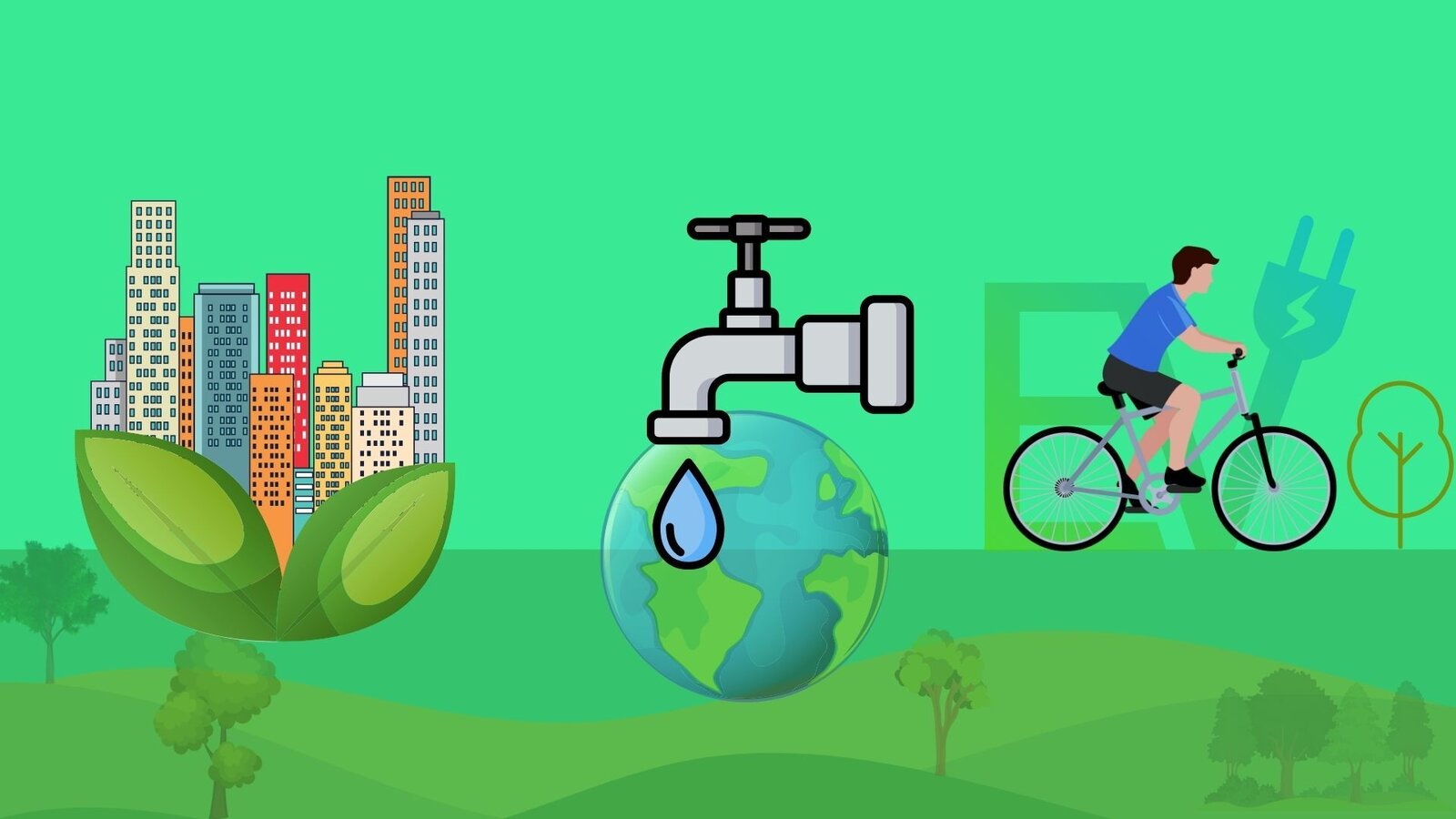
PKC’s sustainability programmes are broadly divided into three main themes:
Urban Forestry Initiatives
Water Security for Pune Metropolitan Region
Enabling Sustainable Transportation
Urban Forestry Initiatives
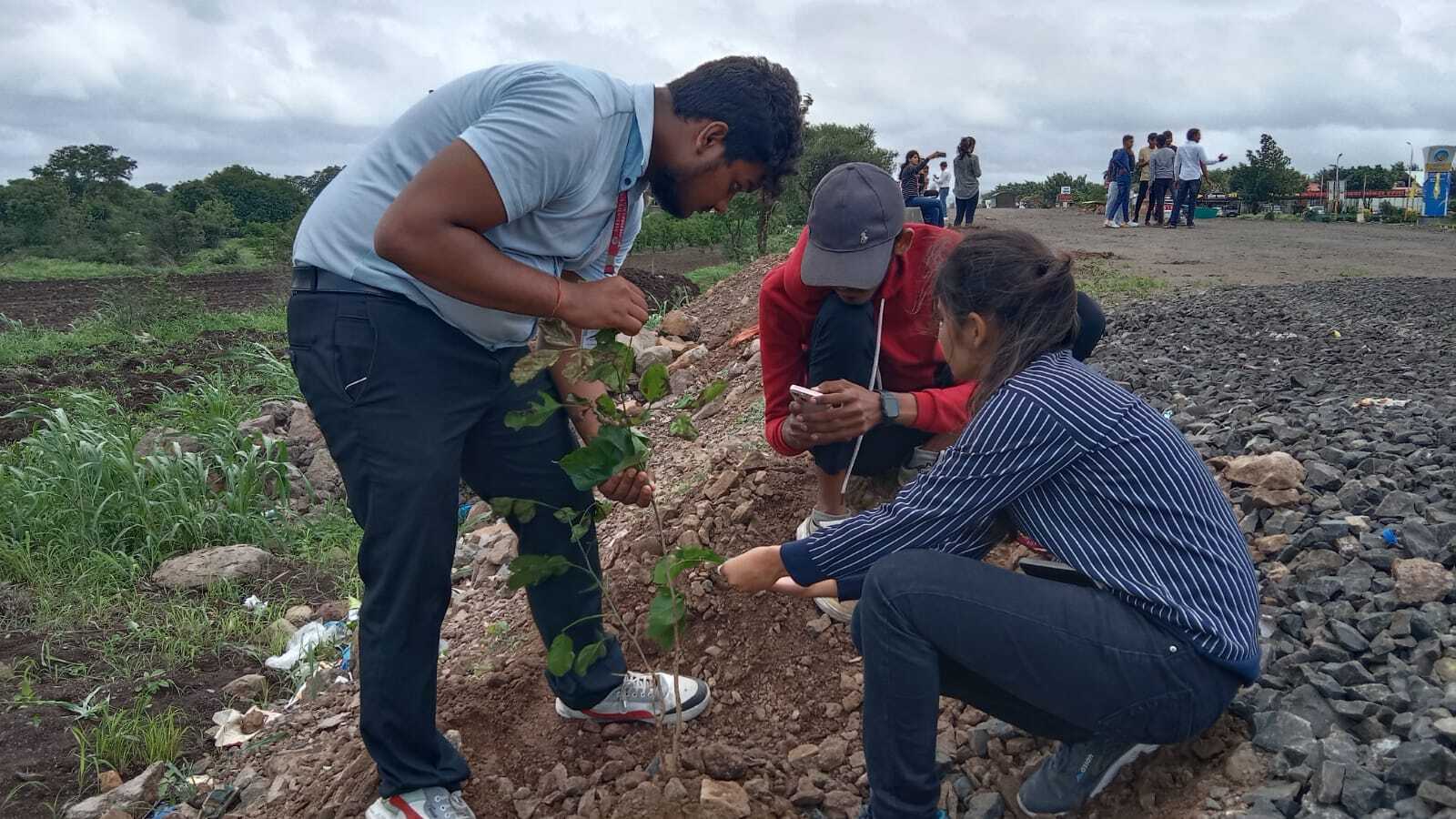
PKC’s Urban Forestry initiatives focus on promoting the plantation of native and ecologically suitable species, monitoring the regional tree cover to estimate carbon sequestration potential, and understanding carbon accounting by fostering interaction between civic bodies, citizens, NGOs, academic institutions, and sponsors to create sustainable greenery in the city. Some of its flagship initiatives include:
ConnecTree: A citizen-driven, AI-enabled platform to track the growth of young saplings
TreeVerse: A platform estimating Pune’s tree cover and development of a computational model for carbon sink estimation
Carbon Neutral Campus: An initiative which aims to trigger climate change discussion and climate action in educational and institutional campuses through carbon accounting studies
PKC partners with several local organisations to co-conceptualise and implement the initiatives and routinely involves students as well as interested citizens in the data collection and/or analysis process.
Priyadarshini Karve, Founder, Samuchit Envirotech, PKC’s partner in the conceptualisation and implementation of the Carbon Neutral Campus, elaborates more upon the need for such initiatives,
In order to prevent us from entering into a régime of runaway climate change, we must start moving individual sectors towards zero carbon operations. Educational institutions are the right place to start this process because students can act as agents of change and trigger the transformation when they move out into society.”
Akanksha Kashikar, faculty at the Statistics department at Savitribai Phule Pune University (SPPU), who has collaborated with PKC to collect the data for the TreeVerse initiative, stresses that through such initiatives, students not only get the experience to handle real-world data but are also more likely to be actively involved as the problem directly affects them and the city they live in. Vinita Date, Chairperson of Environment Conservation Association, further adds that initiatives such as ConnecTree are crucial in ensuring that plantation drives are successful in contributing towards restoring the green cover in the city.
Water security for Pune metropolitan region
Water conservation is a common strategy for managing the water crisis, but it is becoming harder to sustain due to global warming, erratic rainfall, and rising demand from population growth, urbanisation, and agriculture. Water is seen as a public commodity, and this perspective largely influences policies as well as on-ground provisions for water supply. Providing good quality water is an expensive process, requiring efficient sourcing, treatment, storage, and distribution — and despite constant efforts by governments and administrations, water supply and treatment projects often operate at a loss due to poor revenue generation, leading to substandard service delivery.
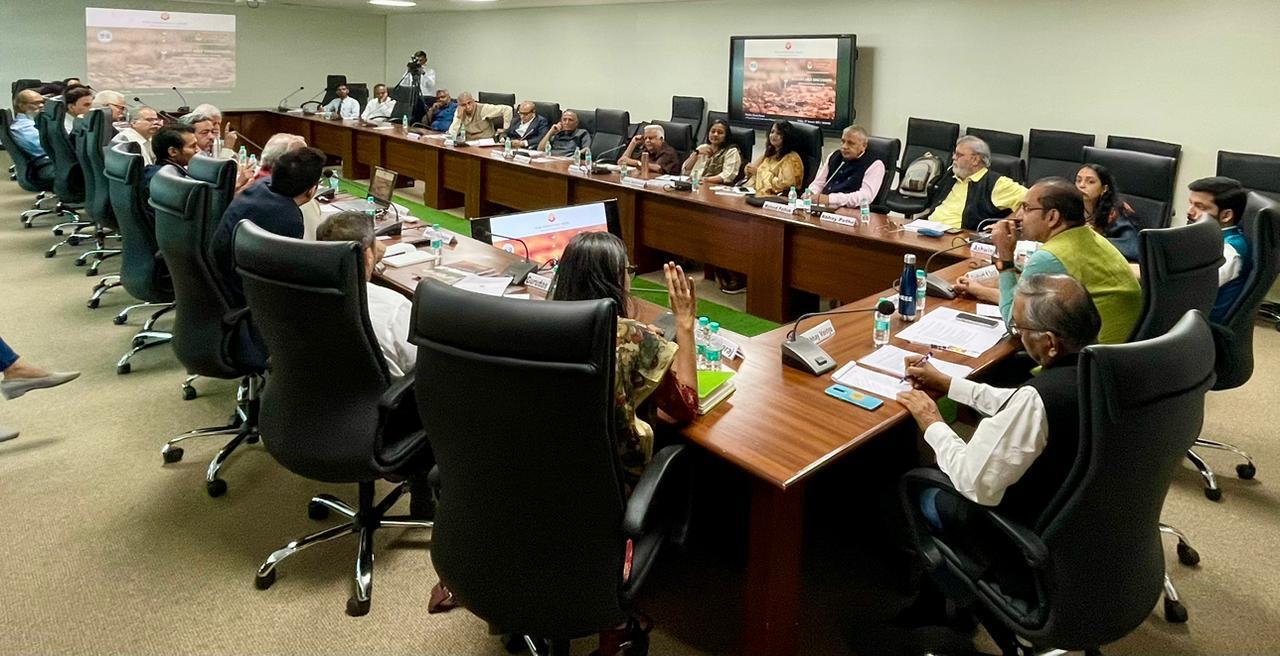
Recognising the need to understand the intrinsic economic value of water both to the suppliers (civic administration) and users, PKC has co-conceptualised “Project Jal Mulya” in collaboration with the Pune International Center (PIC), Center for Sustainable Development (CSD), and Centre for Development Studies and Activities (CDSA) at Gokhale Institute of Politics and Economics (GIPE), as and industry experts to develop a pricing model for water. The project aims to understand actual water usage at the household level through in-depth surveys and technological interventions and, through this, estimating the ‘cost’ of water. This can then pave the way for a sustainable supply of good quality water.
Dinanath Kholkar, who heads the research track — Science, Technology and National Innovation Ecosystem at PIC, emphasises that harnessing the power of smart technologies in data acquisition as well as informed decision-making is crucial for the success of the project. Thus, supporting technological interventions such as the installation of household metering systems and artificial intelligence-based technologies to track water usage at the micro level, the use of telescopic metering, the installation of sensors to understand leakages in water distribution systems, and the identification of different landscapes and water bodies using space technology, are some of the key elements of the project.
Gurudas Nulkar, Professor and Director, CSD, who leads this project, adds,
The main aspects of the project include gathering existing data in the right format from different sources, and understanding the different variables involved in water pricing, along with their interconnectivity. Further, we also plan to conduct a lot of secondary research and analysis of existing data in order to identify gaps.”
Over 68 interns have been onboarded to conduct this study, and more than 730 households have been surveyed so far. The analysis of these surveys is currently underway.
The project follows the STEP – Social Technology Economics and Policy methodology and each of these aspects will be examined separately, as well as in relation to each other in the context of the project. Considering the scale of the project and the involvement of the larger population in the Pune Metropolitan Region, it is essential to keep the citizens in the loop in order for a successful execution of the project. Thus, the press has been actively involved to amplify the project and to generate awareness amongst citizens. Apart from this, several social campaigns are being planned to promote circular usage of water.
By developing a process for evaluating the true cost of water, the project takes a step forward in ensuring water security for the region and also provides a replica template that can be extended from the Pune Metropolitan Region to other cities across the country.
Initiatives for sustainable transportation
The Pune Metropolitan Region has seen several policy and infrastructure changes over the last decade. Rapid economic growth, coupled with the infrastructure changes, has led to a rise in personal automobiles, leading to an increase in air pollution as well as traffic congestion and a decrease in road safety. In order to reduce vehicular pollution and traffic congestion, two alternatives can be implemented: The ‘Business as Usual’ (BAU) alternative aims to build better infrastructure for personal motor vehicles, while the ‘Sustainable’ alternative prioritises walking, as well as using public transportation and cycling as preferred modes of transportation.
PKC’s sustainable transportation initiatives align with the objectives of local government bodies to achieve a 50% mode share for public transportation by 2038. Helping them develop an action plan for achieving these objectives, PKC partnered with the Pune Metropolitan Parivahan Mahamandal Limited (PMPML), which operates a large fleet of buses across the Pune Metropolitan Region, Save Pune Traffic Movement (SPTM) and Center for Environment Education (CEE), to conceptualise a programme called Behaviour Nudges for Sustainable Transportation.
As described in the 2008 book “Nudge”, by Richard Thaler and Cass Sunstein, ‘Nudges’ are non-intrusive interventions that predictably alter people’s behaviour without forbidding any options or significantly changing their economic incentives. Accordingly, this project was designed to introduce interventions in a systematic and controlled manner, with the goal of encouraging the citizens of Pune to view public transport as an optimal and economically viable option compared to their personal vehicles.
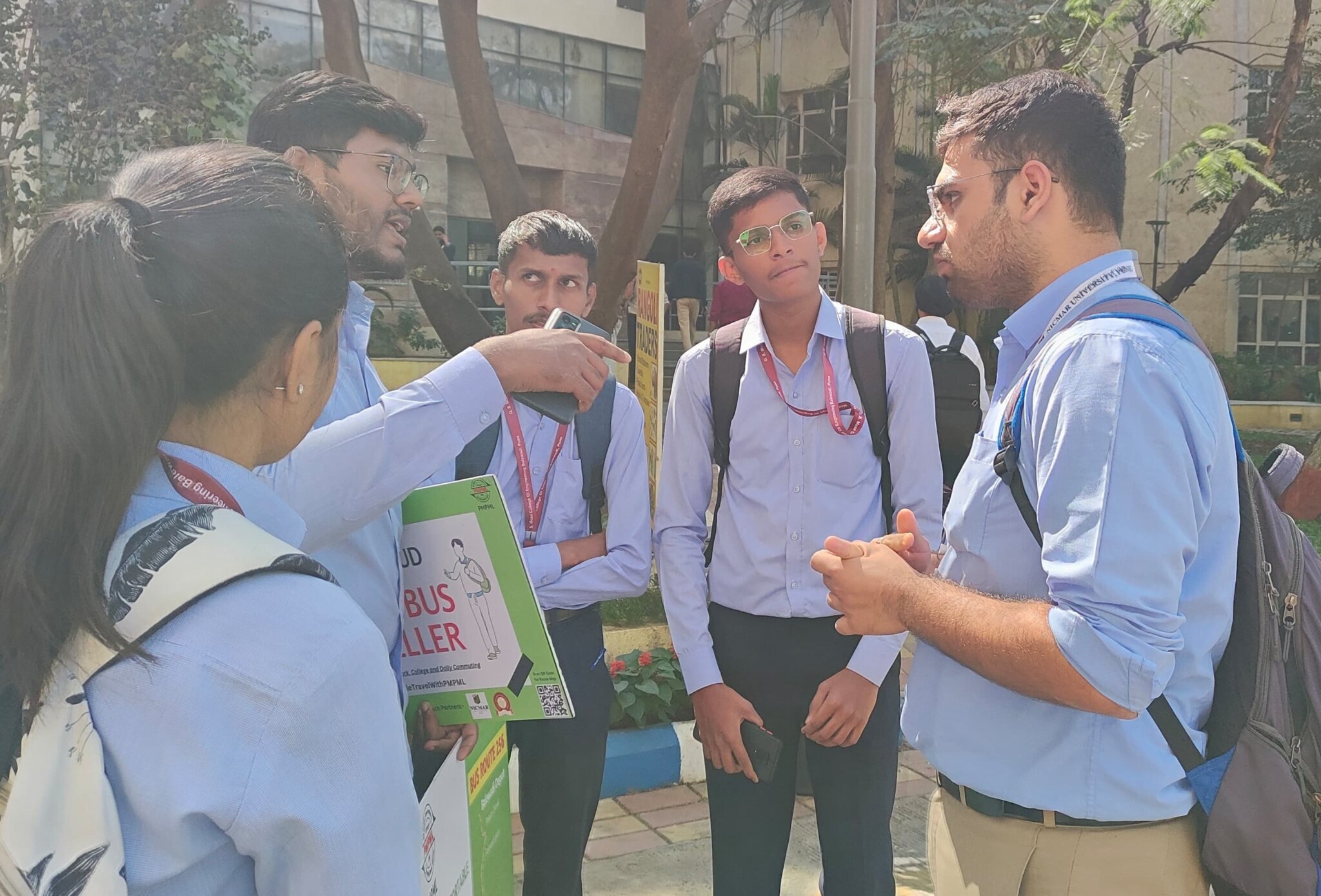
In order to understand these interventions, the PKC team analysed PMPML operations data to identify low-ridership routes. In collaboration with Centre for Environmental Planning and Technology University and College of Engineering Pune Technological University, they conducted a three-pronged survey: a passenger survey on usage and service improvements, a boarding-alighting survey to assess route activity, and a bus-stop survey to evaluate infrastructure and accessibility.
The survey underscored the impact of service quality, bus stop infrastructure, information access, and frequency of ridership. Findings were shared with PMPML leadership, leading to the designing of a pilot intervention/nudge — an Information and Outreach Nudge —implemented to boost awareness, focusing on one of Pune’s prime mixed locality hosting educational, corporate, as well as residential hubs. As part of this effort, around 12 awareness campaigns were conducted, reaching over 9000 individuals. In addition, 20 institutions were onboarded for outreach, and over 800 citizens were surveyed about their travel preferences.
Speaking about the survey findings, Sanskriti Menon, Senior Programme Director, CEE, says,
The reluctance of the commuters stemmed more from a lack of information rather than the availability of personal automobiles. When adequate and relevant information was provided, over 50% of the interviewed participants displayed an interest in increasing their usage of the bus.”
Building on the success of the pilot intervention study with PMPML, the project is now progressing toward phase II, which will involve a partnership with the Pune Metro to employ a similar approach and increase ridership of key routes through planned nudge experiments.
To learn more or contribute to PKC’s sustainability initiatives, get in touch: contact@pkc.org.in.